
Trump Links Election Pressure on Shutdown to GOP, Calls for Filibuster's End
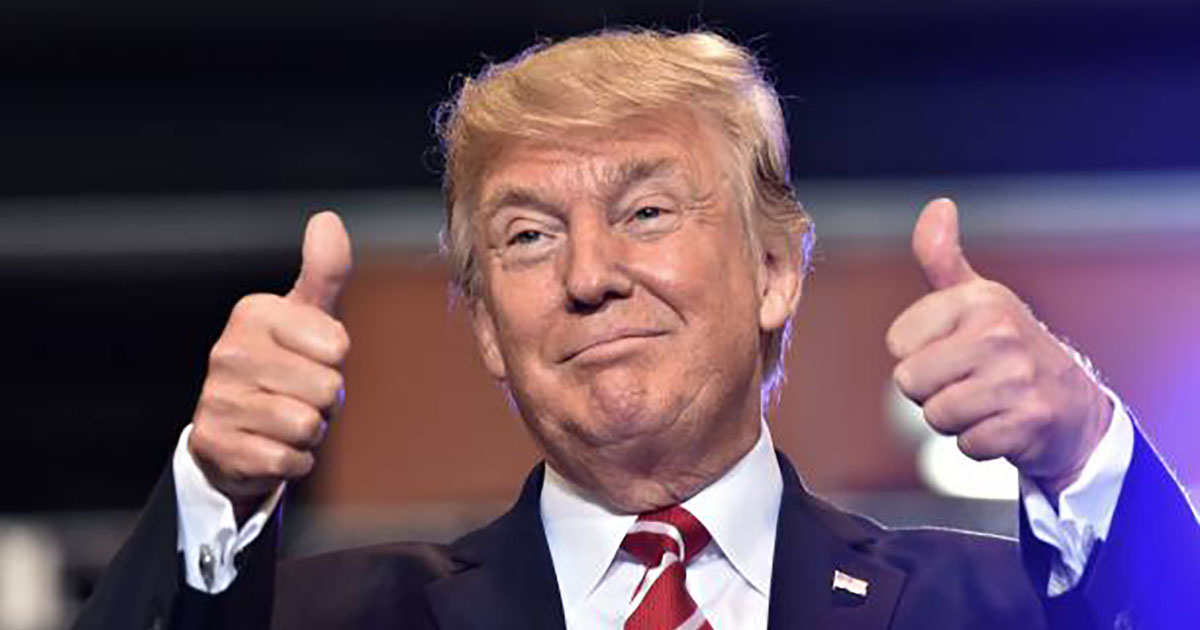
In the wake of substantial electoral setbacks for the Republican Party on Tuesday, the already intense pressure to resolve the ongoing government shutdown has reached a fever pitch. The losses served as a critical referendum on party leadership and policies, igniting fervent discussions within GOP ranks about potential strategies to salvage their standing. President Donald Trump, seizing the moment, called for strategic alterations to Senate procedural rules. The proposed changes aim to sideline the necessity for Democratic votes, thereby streamlining legislative processes for a party now introspective and on the defensive.
Tuesday’s losses underscore profound dissatisfaction among the electorate, with exit polls indicating a significant shift in voter sentiment away from Republican tenets. The cascading effect of these results has rattled party orthodoxy and complicated the calculus for resolving the fiscal impasse. As federal operations remain paralyzed, both parties publicly acknowledge the toll exacted on economic stability and public confidence. However, they diverge sharply on accountability and solutions, as each seeks leverage against the other in a volatile political landscape.
Amid the escalating stalemate, President Trump’s proposal marks a bold attempt to consolidate partisan advantage, reflecting urgency as well as strategic calculation. By advocating for a recalibration of Senate protocols, the President is essentially seeking to empower his base while bypassing bipartisan deadlocks that have historically stymied legislative progress. This maneuver, though fraught with controversy, could potentially expedite the enactment of a broader conservative agenda, assuming intra-party cohesion can be maintained amidst the turbulence.
While Republicans grapple with internal divisions and mounting public disapproval, Democrats have emerged emboldened, revitalized by recent victories and unified in their resistance to perceived executive overreach. They decry the president’s proposed procedural revisions as a cynical ploy to erode democratic processes. The unfolding scenario presents a powder keg of political tensions, with ramifications poised to resonate well beyond the immediate issue of governmental funding.
As the stalemate persists, the stakes of legislative brinkmanship grow exponentially. The unfolding narrative will likely dictate not only the immediate future of governmental operations but also the broader trajectory of political dynamics leading into the next election cycle. As both sides navigate treacherous waters, the White House’s latest gambit represents a high-risk wager in the grand chess game of American politics.