
Democrats' Sweeping Victories Leave Senate Grappling with Shutdown Strategy
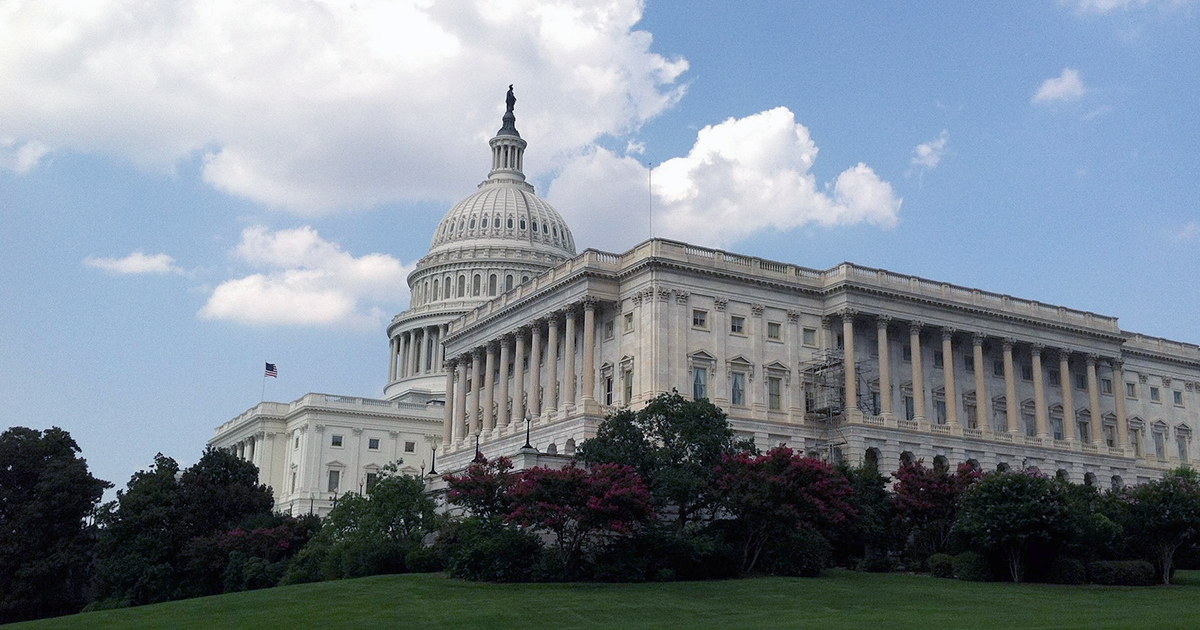
Democrats celebrated significant victories in crucial elections this week, a development that many anticipated would offer guidance in resolving the prevailing government shutdown. However, rather than streamlining the decision-making process, these wins have introduced divergent viewpoints among Senate lawmakers. The electoral success has emboldened some Democrats to push for a firmer stance in negotiations, arguing that the results reflect public dissatisfaction with the current impasse.
Despite the electoral endorsement, not all Democrats interpret the outcomes in the same light. Some Senate Democrats advocate for a more conciliatory approach, emphasizing the necessity of bipartisan compromise to reopen the government. They caution against interpreting the electoral victories as a mandate for aggressive partisanship, warning that extending the shutdown could fuel voter frustration and backfire politically.
Meanwhile, Republicans are closely observing the Democratic victories, which have complicated their calculus in the shutdown negotiations. Some within the GOP view the results as a warning to resolve the impasse swiftly, fearing that prolonged closure could endanger their political standings in future contests. However, other Republicans maintain that holding firm in their demands is necessary, believing that conceding too much could erode their base’s confidence and support.
As both parties grapple with the implications of the Democrats' electoral success, the Senate remains a battleground of contrasting strategies. The potential paths forward are various: a continuation of the stalemate, a shift towards mutual concessions, or an unexpected resolution driven by external pressures. Lawmakers are left with the arduous task of interpreting the will of the electorate while balancing the realities of governance and political survival.