
Reporter Analyzes Trump's Potential Strategies to Influence 2026 Midterms
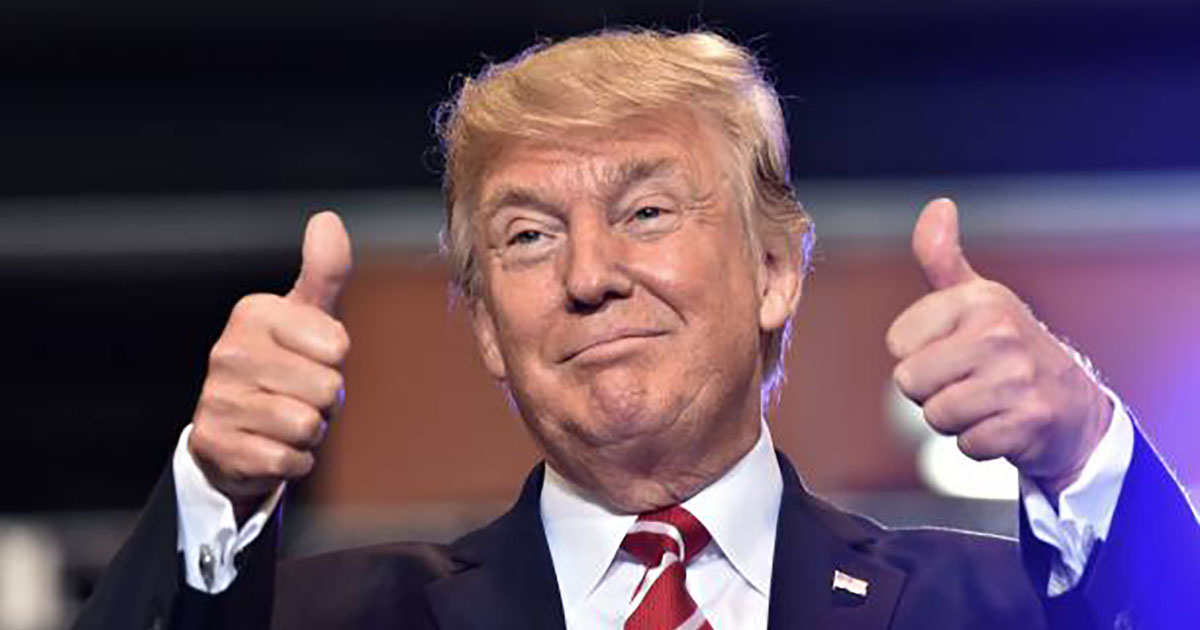
In a political climate already rife with tension, veteran journalist David A. Graham casts a foreboding vision of the upcoming election landscape. Writing for The Atlantic, Graham examines the potential strategies former President Donald Trump might employ to assert his influence over electoral processes. Key among these tactics is the deployment of troops within proximity to polling places, a move that would undoubtedly reignite debates over electoral integrity and voter intimidation. Such an approach, while not unprecedented, could pose significant challenges to the fundamental tenets of American democracy.
This exploration comes amid mounting concerns over the instrumentalization of law enforcement and military personnel in civic affairs, an issue that has seen varying degrees of contention throughout U.S. history. Graham suggests that applying pressure to local election workers could serve as another lever for Trump to explore. The integrity of local staff often acts as the bedrock of electoral processes, ensuring that every vote is counted fairly. By influencing these election workers, Trump could theoretically tilt the scales in his favor, an action that would likely spur a debate in both public and political arenas.
Perhaps the most controversial of Graham's suggestions is the potential use of federal agents to seize voting machines, a tactic reminiscent of past elections marked by allegations of fraud and voter suppression. Although federal involvement in election machinery is typically limited to ensure states' rights and electoral impartiality, the mere suggestion of such measures underscores the heightened sense of unpredictability characterizing the current political climate. This approach risks not only exacerbating divisions within the electorate but also casts a long shadow over the sanctity of the electoral process itself.