
Texas Triumphs as Supreme Court Upholds Redistricting, Potentially Bolstering GOP Grip on Five House Seats
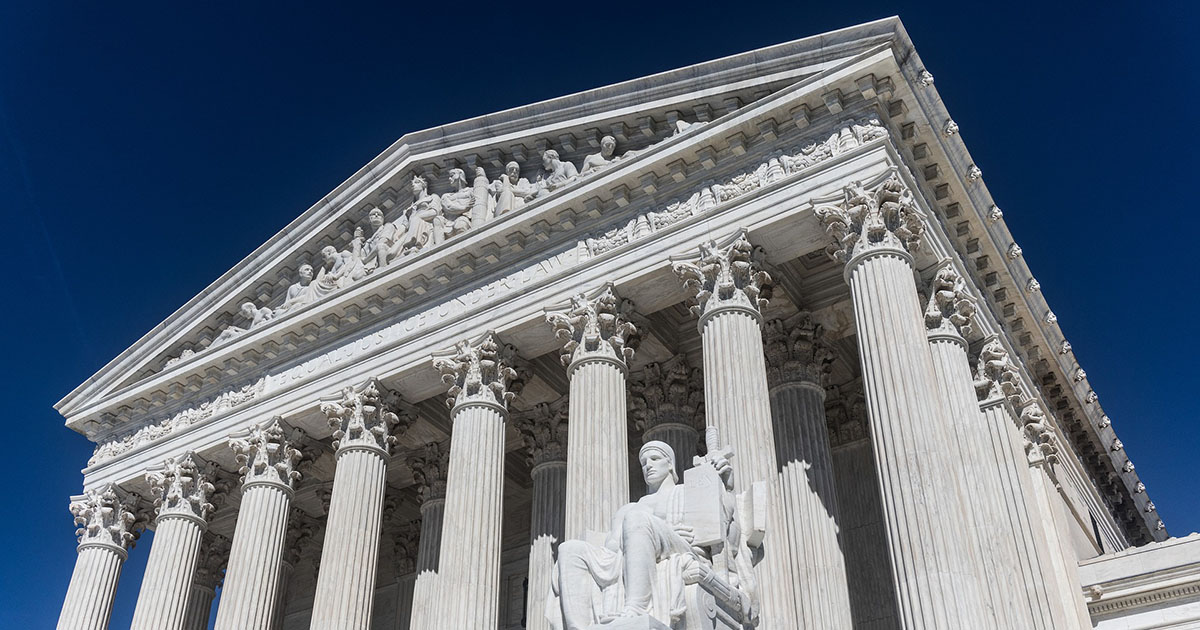
In a move that could significantly alter the political landscape, the Supreme Court has given its blessing to a controversial Texas congressional map, potentially paving the way for the GOP to expand its influence in future elections. The decision comes despite a lower court's findings that the redrawn districts likely violate constitutional guidelines. With the midterms only a few years away, the ruling underscores the ongoing partisan struggle over redistricting and its implications on national politics.
The contested map, crafted by the Republican-controlled Texas legislature, was positioned as a necessary adjustment following the latest census data. Supporters argue it reflects shifting demographics and ensures proper representation for the state's growing population. However, critics assert that the changes are a thinly veiled strategy to gerrymander districts in favor of the GOP, undermining the principles of fair electoral competition. The Supreme Court's decision arrives at a time of heightened scrutiny over voting rights and partisan maneuvering in the United States.
The lower court's determination that the map is likely unconstitutional highlights ongoing legal tensions and the challenges facing the judiciary in navigating politically charged issues. The map's approval could lead to a gain of up to five more House seats for Republicans in the 2026 midterm elections, tipping the balance of power in a closely divided Congress. This development is likely to spark further debate on redistricting practices, prompting calls for reform from Democrats and advocacy groups concerned about the integrity of the electoral process.
While the Supreme Court has traditionally refrained from intervening in what it deems 'political questions,' its decision to uphold the Texas map signals a potentially shifting approach toward state-led redistricting efforts. As the nation braces for the implications of this ruling, both parties are likely to redouble their efforts in other battleground states where the stakes for congressional control remain high. The legal and political battles over redistricting are far from over, setting the stage for an intense electoral cycle leading up to the 2026 elections.