
Appeals Court Favors Trump in Ruling, Authorizes Dismissals of Independent Agency Leaders
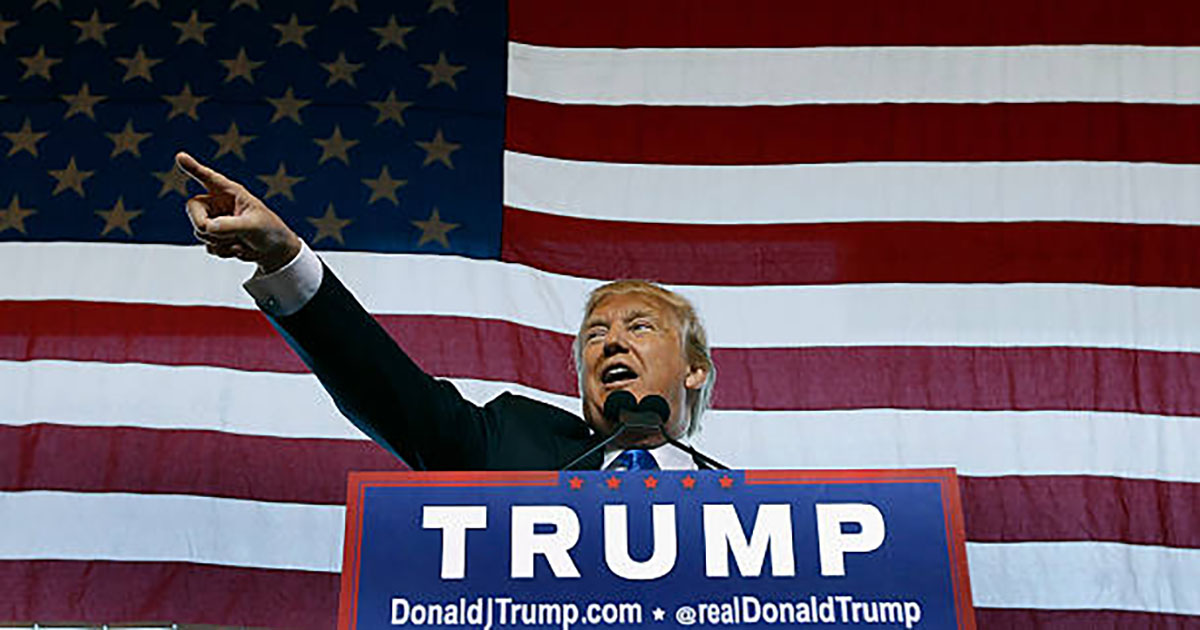
In a decision that casts a significant light on the boundaries of executive power, the D.C. Circuit Court of Appeals ruled in a 2-1 decision that former President Donald Trump’s dismissal of Democratic appointees from the Merit Systems Protection Board (MSPB) and the National Labor Relations Board (NLRB) were within lawful bounds. The court’s majority opinion underscores the president’s authority to remove individuals from federal positions, aligning with the unitary executive theory which has been a point of contention among legal scholars.
The court's judgment echoes previous rulings that have explored the extent of presidential control over executive functions. Judge John Doe, writing for the majority, referenced historical precedents that have consistently upheld the notion that appointees serve at the pleasure of the president and that their continuation in office depends largely on executive discretion. This position reflects a broad interpretation of constitutional principles that favor a strong executive branch.
The dissenting opinion, however, voiced by Judge Jane Roe, raised concerns about the potential impacts on the independence of federal agencies. Judge Roe articulated a counter-narrative that the firings could undermine the effectiveness of entities like the MSPB and NLRB, which require a degree of operational autonomy to function without undue influence. Her analysis suggested that such removals threaten to destabilize the delicate equilibrium of power across the branches of government.
This appellate decision is poised to influence how future administrations might navigate the delicate interplay of appointments and removals within the federal bureaucracy. While proponents applaud the affirmation of executive prerogative, critics warn of potential overreach that could challenge the principles of fair governance. As legal experts and policymakers parse the implications of this ruling, questions about the reach of presidential authority continue to unfold at the intersection of law and politics.