
GOP Voices Concerns Over Afghan Immigration Limits to U.S.
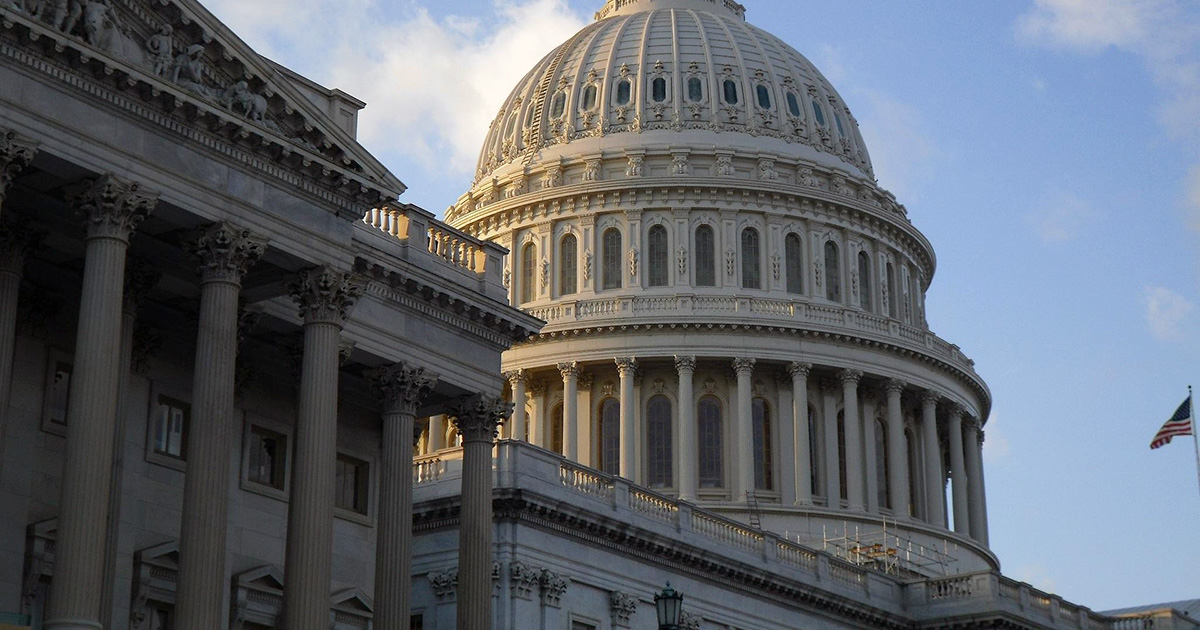
The Trump administration has struck a surprising chord by halting several initiatives aimed at granting visas to Afghan nationals, including those who provided crucial support to American military forces. This decision has sent ripples through both humanitarian circles and the corridors of Capitol Hill, where calls for a reevaluation of America's immigration priorities are growing. The suspension, marked by stringent reviews and uncertain timelines, places many Afghan allies in a precarious position, poised between high-stakes danger at home and bureaucratic hurdles abroad.
The move has, however, drawn a split within Republican ranks, with some party members voicing unease over the implications for national security and U.S. commitments to its partners abroad. Senator Lindsey Graham, among others, has expressed concerns that the pause risks undermining trust and morale among individuals vital to the American mission in Afghanistan. He argues that this decision could have long-term strategic repercussions if perceived as neglecting those who risked their lives for a common cause.
While administration officials defend the measure as part of a broader reassessment of U.S. immigration policies, critics suggest it could tarnish America's reputation as a reliable ally. The debate underscores the tension between maintaining national security and honoring international commitments. Furthermore, it spotlights a broader discourse on immigration that both sides of the aisle must navigate, balancing security concerns with humanitarian obligations.
Economists and advocacy groups are already analyzing potential impacts, fearing that the pause might discourage future cooperation from foreign nationals in conflict zones. These entities warn of a possible chilling effect on global partnerships that are critical to American operations overseas. As discussions continue, the situation leaves countless Afghans in limbo, compelling the U.S. to reflect on its role as both defender and partner on the world stage.