
Mississippi Supreme Court to Hold Special Elections Following Voting Rights Violations
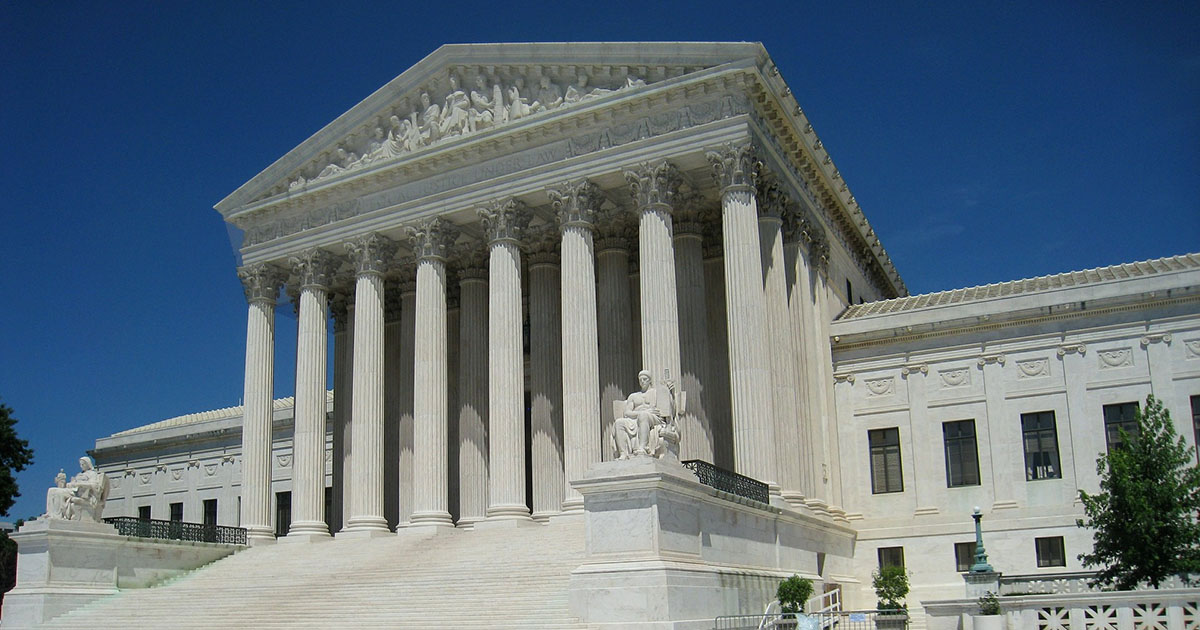
In a landmark decision, a federal judge has mandated special elections following a prior order that required the state to revise its judicial electoral map. The original map has come under scrutiny amidst claims that it diminishes the influence of Black voters. Legal experts suggest this could set a precedent for similar cases across the country, encouraging challenges to electoral maps perceived as unfairly representative.
The controversy centers around allegations that the current map disperses Black voter populations in a way that fails to offer equitable representation in the selection of state justices. The judge's ruling underscores a growing judicial acknowledgment of systemic biases in electoral schematics, adding to a chorus of voices advocating for reforms that better reflect demographic realities.
While state officials have expressed intentions to appeal the order, civil rights advocates hail the decision as a monumental step forward in the fight for electoral justice. It comes amid a wider national conversation about voting rights and representation, with implications that may reverberate through forthcoming electoral cycles. Meanwhile, political analysts are watching closely to see how this ruling will influence the balance of power in state courts and beyond.
As the state grapples with the complexities of redrawing the map to meet judicial approval, the possibility of new justice selections holds the potential to shift judicial opinions on pressing legal matters. With the prospect of heightened voter engagement due to the special elections, the ruling may catalyze significant changes not only in how justices are selected but also in the wider political landscape.