
Trump to Cease National Guard Deployment Efforts in Chicago, Los Angeles, and Portland
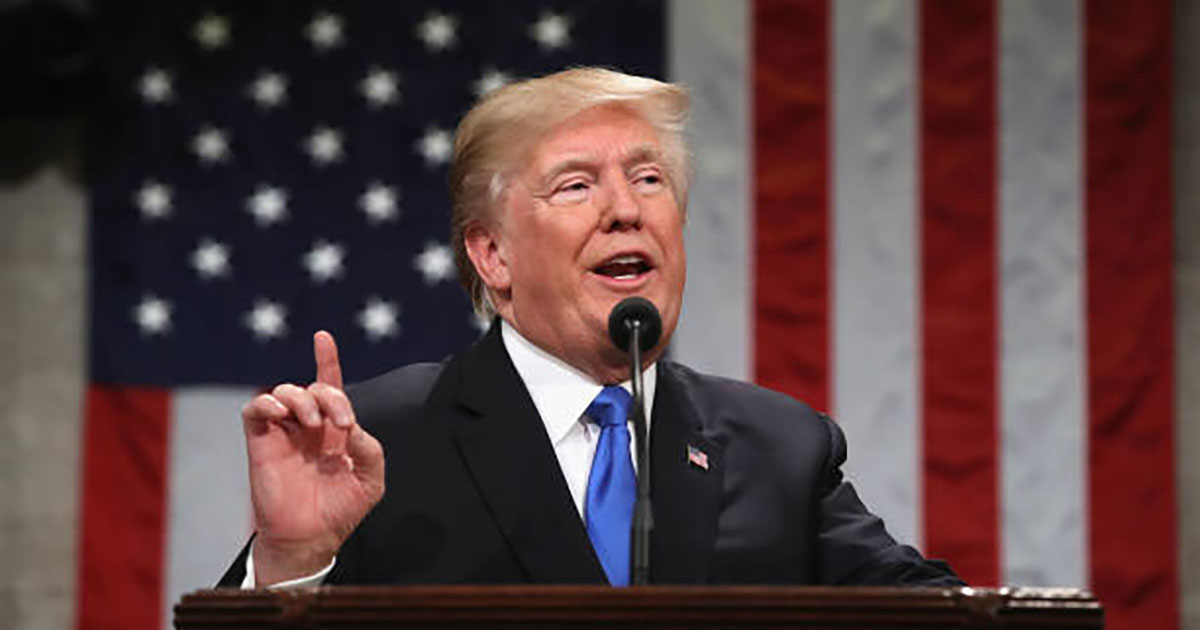
In recent rulings that underscore the intricate balance between federal authority and local governance, courts have blocked the deployment of troops to several U.S. cities, citing concerns over jurisdiction and public safety. The latest decisions have barred troop deployments in both Chicago and Portland, Oregon, highlighting ongoing legal battles that shape the nation's approach to domestic law enforcement and civil unrest.
In the case of Los Angeles, the deployment ceased following a judicial intervention earlier this month. This outcome has reignited a national debate on the role of federal forces in managing local disturbances, particularly in large urban areas with their own established law enforcement agencies. The legal challenges reflect growing resistance among city officials and civil rights advocates who argue that such deployments complicate local efforts to maintain peace and can escalate tensions on the ground.
This series of court decisions emerges at a time when cities across the nation face heightened scrutiny over their handling of protests and the use of force. For the federal government, the blocked deployments present a formidable challenge as it seeks to assert its stance on law and order, while adhering to the constitutional limits of state and municipal autonomy.
Legal experts suggest these rulings could set important precedents for future federal interventions in city policing, making clear that actions perceived as overreach could be swiftly met with judicial pushback. Meanwhile, city leaders affirm their commitment to ensuring public safety through localized strategies, emphasizing the necessity of dialogues that respect community voices and local sovereignty.