
Democrats Gamble on Another Shutdown: Understanding the Risks After Last Fall's Record Standoff
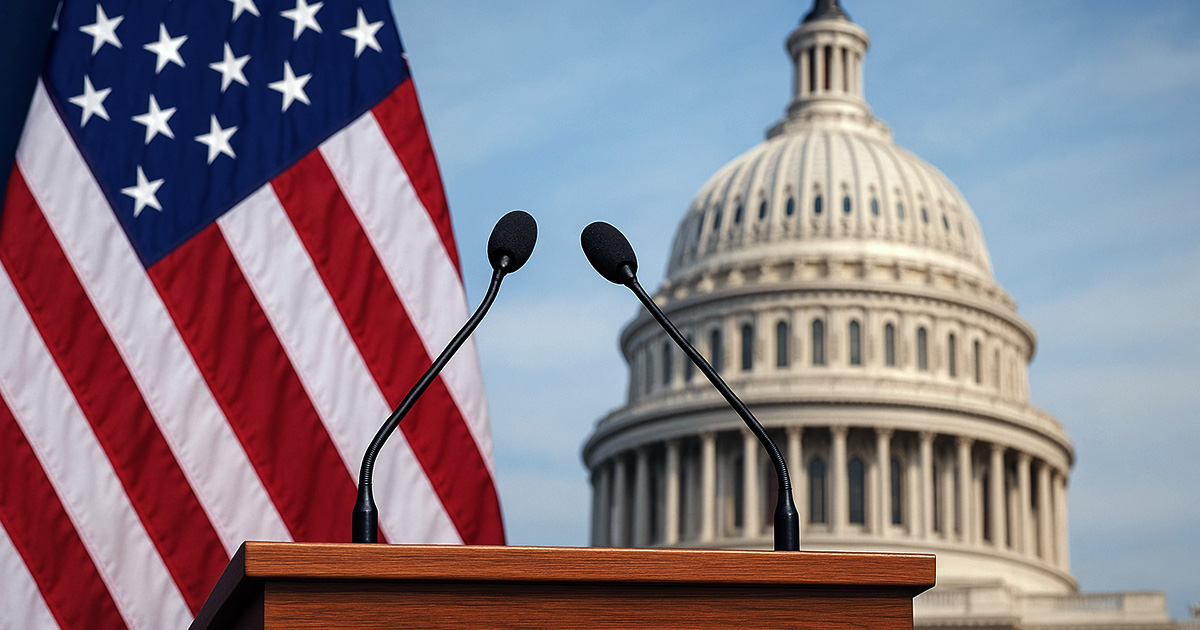
As the clock ticks down to the end of the day Friday, the specter of a government shutdown looms large in the United States. Once considered rare instances of government dysfunction, these shutdowns have increasingly become a staple in the political toolkit, emerging as a means through which political adversaries can extract concessions or underscore policy disagreements. This potential closure marks the latest chapter in a saga where political strategy often overrides the conventional operations of government.
Historically, government shutdowns were largely seen as undesirable impasses that necessitated swift resolution. However, the calculus appears to have shifted in recent years. Political players on both sides of the aisle have been more willing to use shutdowns or the threat thereof as leverage during contentious negotiations, especially on contentious issues such as budget allocations, healthcare reforms, and immigration policies. This shift has prompted a greater normalization of shutdown scenarios, making them an almost expected outcome during periods of heightened partisanship.
Most notably, the frequency of shutdowns has signaled a broader transformation within the political landscape, reflecting deepening divisions and an erosion of compromise. Critics argue that this increase in shutdown use signifies a breakdown in the legislative process, urging for a restoration of routine governance. Proponents, however, suggest that it offers a necessary avenue for holding ground on key issues when bipartisan consensus appears unattainable through conventional discourse.
As Friday's deadline nears, the implications of another potential shutdown weigh heavily not only on government employees and federal operations but also on public confidence in political leadership. The nation watches closely, with markets and citizens alike gauging the potential fallout and longevity of this shutdown, should it come to pass. The anticipation underscores a bipartisan recognition: as shutdowns become more frequent political gambits, their resolutions carry significant stakes for both policy and public trust.