
Government Reopens Amid New Funding Battle Over ICE
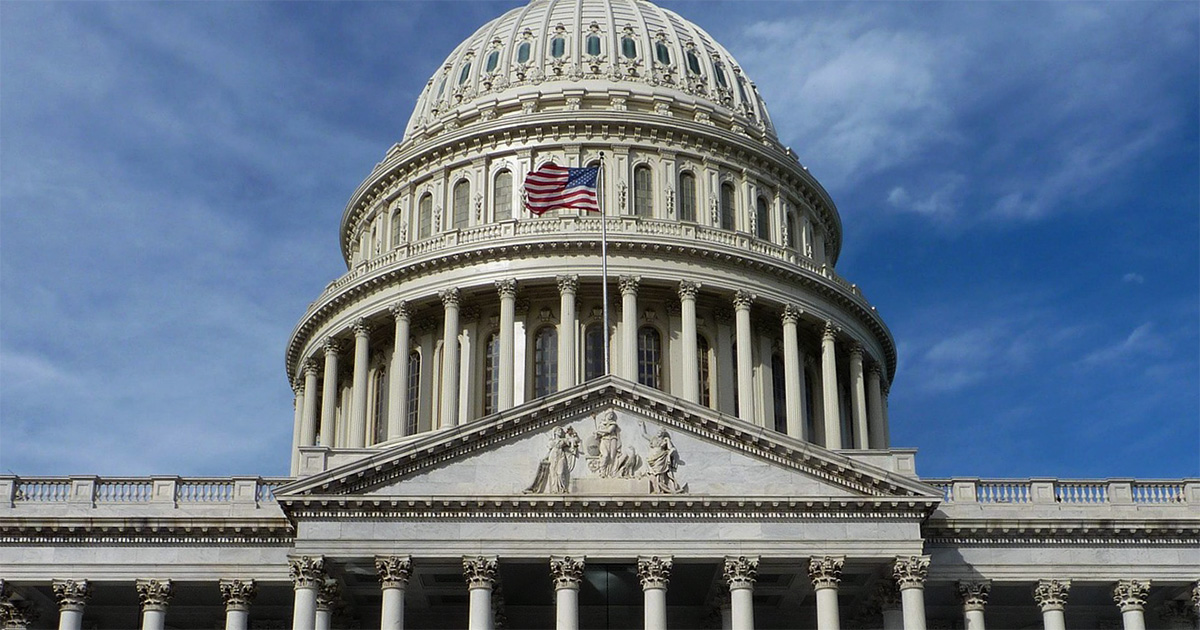
With the cessation of the partial government shutdown, a sense of relief was palpable among federal workers and citizens alike. However, on Capitol Hill, attention swiftly pivots to the formidable challenge at hand—crafting a consensus on immigration enforcement reforms. In a political climate marked by deep divisions, legislators are tasked with bridging partisan gaps to forge a viable path forward.
Immigration, a perennial hot-button issue, remains deeply polarizing; its complexities are compounded by evolving geopolitical landscapes and domestic policy demands. While some lawmakers advocate for heightened security measures and stringent border enforcement, others call for more humane treatment of migrants and pathways to citizenship. The recent shutdown, triggered by an impasse over border security funding, underscores the urgency of bipartisan engagement to avoid future government disruptions.
There is cautious optimism, as both parties publicly express willingness to negotiate, hinting at potential common ground. Yet, substantive agreement remains elusive, with each side holding steadfast to core principles. As negotiations unfold, stakeholders—from advocacy groups to businesses reliant on immigrant labor—await the outcome, poised to witness its broader implications on the economy and society.
In this high-stakes environment, the role of moderates on both sides becomes increasingly pivotal. These lawmakers could serve as the nucleus around which compromise could coalesce, balancing enforcement with compassion. The coming weeks will be critical, as policymakers navigate this intricate policy domain, striving to deliver a resolution that aligns with national interests and human rights considerations.
The nation's eyes are on Washington, watching to see if legislators can transcend partisan divides to address one of this era's most pressing and emotionally charged issues. Success in this endeavor could reshape immigration enforcement policy profoundly, signaling a renewed commitment to collaborative governance.