
Pentagon Severs Military Training Ties With 'Woke' Harvard
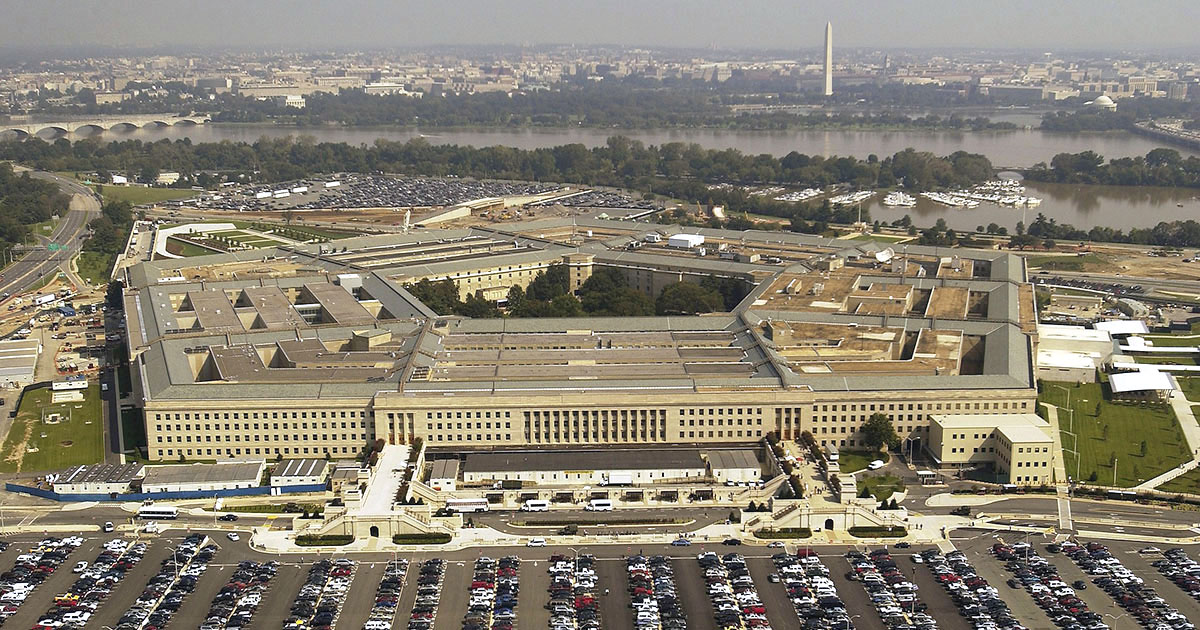
In an unexpected escalation of tensions between one of America’s most eminent institutions and the federal government, the Pentagon announced it would sever its longstanding relationship with Harvard University. The decision, which will terminate military training, fellowships, and certificate programs, highlights a growing rift with significant implications for the future of military-academic collaboration. This marks a significant shift in policy as Harvard historically has been a cornerstone for training some of the nation's most prominent military leaders.
The genesis of the current clash stems from an ongoing standoff between the university and the White House over policy disagreements that have heightened in recent months. While specific details of the disputes remain tightly under wraps, sources close to the matter indicate that issues of national defense policy and academic freedom might be central to the conflict. The Defense Department’s decision signals a hardening stance, hinting at broader implications for collaborations between government entities and academic institutions nationwide.
Harvard, renowned for its robust ROTC program and as a pivotal feeder of military personnel into strategic roles, boasts an extensive history of nurturing the military minds of tomorrow. The cessation of military-related programs dismantles a conduit that has long facilitated intellectual and professional cross-pollination between civilian academic spheres and military leadership. This development leaves many students and alumni questioning the future trajectory of their academic and professional endeavors at the intersection of these two worlds.
As the administration grapples with potential fallout, stakeholders across the educational and defense sectors are left in a state of uncertainty. Some fear this move could presage broader disengagement between higher education institutions and government agencies, while others remain optimistic that potential diplomatic resolutions may unfold. Only time will tell whether future negotiations will bridge the widening gap or solidify the emerging policy divergence.