
Maryland's Democratic Governor Missing from White House Guest List
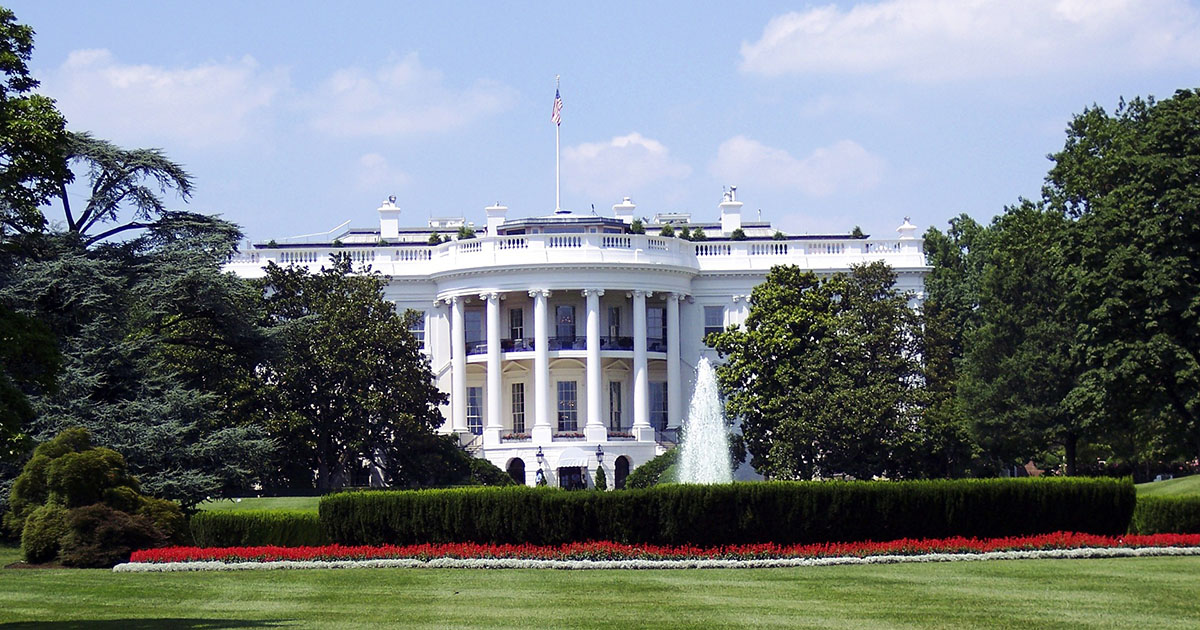
In an unexpected move that might strain party relations, the White House has decided to exclude prominent Democratic leaders from its customary bipartisan meeting for governors. What was once a hallmark of cross-party dialogue now faces scrutiny for its lack of inclusiveness, marked by the absence of key Democratic voices. This year’s meeting, traditionally aimed at fostering unity and bipartisan cooperation, has instead stirred controversy and debate over its redefined guest list.
The decision to omit certain Democratic figures has drawn particular attention from Governor Wes Moore of Maryland, who disclosed that he was also disinvited from an associated dinner event. Moore, a rising star within the Democratic Party, expressed his dismay at the exclusion, further amplifying concerns about the implications for bipartisan cooperation. The incident has raised questions about the criteria used for the selection of attendees and whether political considerations outweighed the traditional bipartisan nature of such gatherings.
Political analysts suggest that the White House’s decision may reflect broader political calculations amid a shifting landscape. As governors convene to discuss pressing national issues, the absence of some key Democratic voices could potentially impact the nature and outcome of these discussions. Critics argue that excluding influential leaders like Governor Moore deprives the forum of diverse perspectives that are essential for holistic policy discussions.
Both parties have historically valued these meetings as opportunities to bridge divides and seek common ground on issues of national importance. However, this current situation could mark yet another chapter in the growing partisan rift characterizing American politics. The question looms: Will this exclusion signal a new direction for these bipartisan meetings, or will tradition prevail in future gatherings?