
Trump Squares Off with Governors in Anticipation of Upcoming Summit
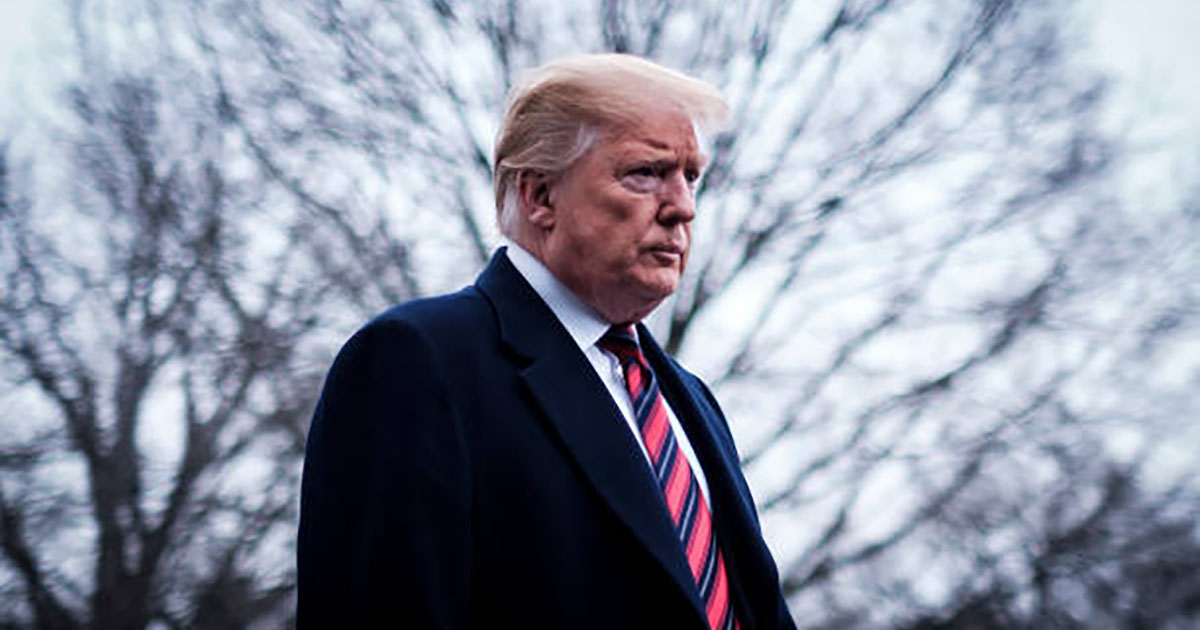
In recent years, the landscape of American politics has been dramatically reshaped by former President Donald Trump's approach to governance. A central tenet of this transformation is Trump's willingness to challenge longstanding Democratic norms and traditions, injecting partisanship in arenas that historically maintained a veneer of impartiality. This willingness has both galvanized his base and sparked intense debate about the resilience of American democracy's foundational structures.
Perhaps the most visible manifestation of this trend is the manner in which Trump has approached federal institutions. Under previous administrations, entities such as the Department of Justice and the Federal Reserve have typically strived to operate above the partisan fray. Trump's tenure, however, saw these institutions being pulled into the political spotlight, with appointments and public statements often reflecting partisan priorities over established norms of neutrality and independence.
Critics argue that Trump's approach has eroded trust in these institutions, creating a climate where political loyalty can outweigh professional expertise and impartiality. This shift has raised concerns about the long-term implications for democratic governance, as the blurring of lines between politics and bureaucratic administration may lead to a diminished capacity for these bodies to function as checks and balances within government processes.
Supporters of Trump, however, suggest that his willingness to apply a politically charged lens to previously insulated areas aligns with a broader agenda of challenging the so-called 'deep state' and entrenched bureaucratic elites. To them, Trump's actions represent a necessary recalibration of power dynamics within the federal system, bringing decision-making closer to the political preferences of the electorate, as expressed in Trump's leadership.