
House Prepares Vote After Senate's Attempt to Restrict Trump's Actions in Iran Falters
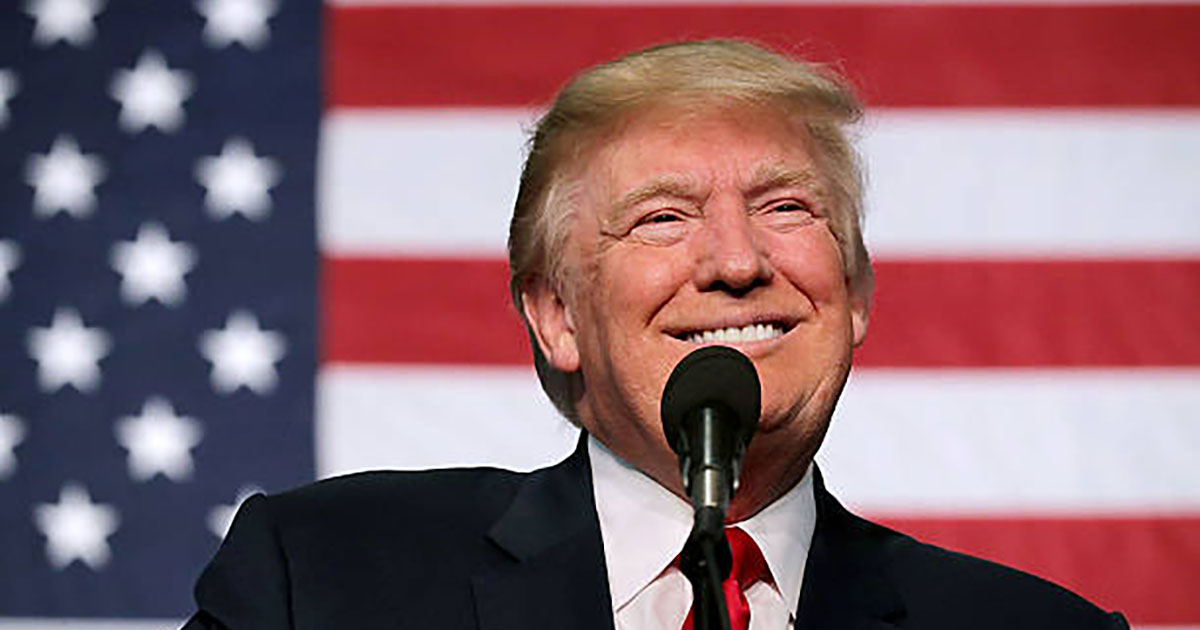
In a significant development on Capitol Hill, the Senate has declined to pass a legislative measure that sought to curtail President Trump's authority to engage in military action against Iran. The decision comes amid growing tension and debate over the appropriate scope of presidential powers in foreign military engagements. The House of Representatives, however, is poised to bring a similar measure to the floor for a vote on Thursday, signaling a potential clash between the two chambers over the issue.
The Senate's decision not to approve the measure underscores the influence of party politics in national security discussions. Republican senators, who generally support the president, have largely endorsed his aggressive stance towards Iran, emphasizing a need for strong executive action in dealing with the Middle Eastern nation. In contrast, their Democratic counterparts argue for a more restrained approach, concerned about the risks of escalating conflict without congressional oversight.
The upcoming House vote is anticipated to further highlight these partisan divides. House Democrats have been vocal in their criticism of the administration's Iran policy, citing concerns over the lack of consultation with Congress before initiating military actions. They argue that unchecked presidential power could lead to unintended consequences in a volatile region, advocating for a balanced approach where congressional input is a key component.
As the legislative process unfolds, lawmakers are grappling with the broader implications of their decisions. The debate raises fundamental questions about the balance of power between the legislative and executive branches, particularly when national security is at stake. Observers are keenly watching the outcome of the House vote, as it may either reinforce or challenge the recent actions taken by the executive branch in foreign military affairs.