
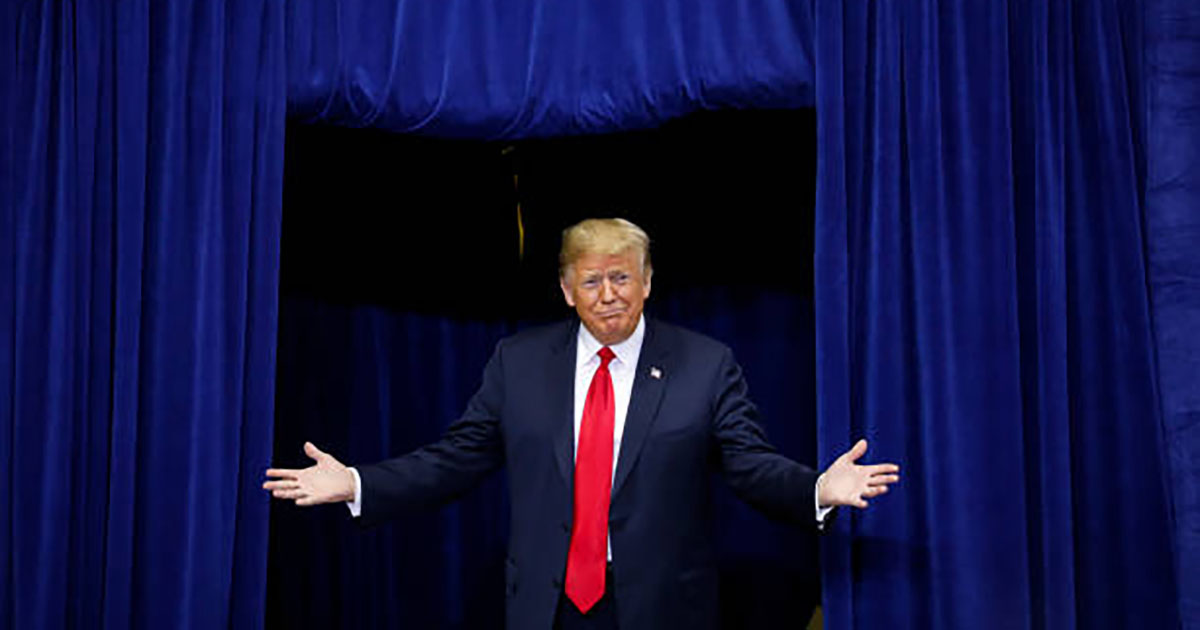
As U.S.-Israel Conflict with Iran Intensifies, Trump Calls Press Conference
The latest surge in oil and gas prices has set economic forecasts into a tailspin, shaking markets and putting pressure on policymakers worldwide. As the cost per barrel climbs to levels unseen in nearly a decade, the trickle-down effect is rippling across various sectors, raising production costs, and subsequently consumer prices. Analysts warn that without swift intervention, these inflated energy costs threaten to stifle the budding recovery post-pandemic, potentially leading to stagflation—a period of stagnant growth and high inflation.
The reverberations are felt most acutely in energy-dependent industries, such as transportation and manufacturing, where margins are already tightening under the strain. Major airlines have begun revising their earnings forecasts, citing unsustainable fuel costs, while manufacturers grapple with how to price their goods without alienating price-sensitive consumers. The increased cost of logistics is expected to further exacerbate supply chain disruptions, as companies reassess shipping strategies and reconsider near-sourcing options.
Yet, the soaring prices have not gone unnoticed by geopolitical players, providing oil-rich nations with greater leverage on the international stage. Countries like Saudi Arabia and Russia find themselves in a strengthened position, as their energy exports become even more crucial to oil-importing economies. Meanwhile, consumer nations are pushing for accelerated transitions to renewable energy sources, viewing the current crisis as yet another signal pointing towards the unsustainability of reliance on fossil fuels.
Central banks are now faced with the dilemma of balancing interest rates to curb inflation without stifling growth. The Federal Reserve, along with its counterparts in Europe and Asia, must carefully navigate this precarious situation, recognizing that any misstep could unravel the delicate economic fabric that has been painstakingly rebuilt since the global pandemic. As futures traders continue to react to the fluctuating oil and gas markets, investors are left wondering whether relief is on the horizon or if this price surge is the new norm.