
Pentagon Clamps Down on Stars and Stripes Amid Accusations of 'Woke' Agenda
March 14, 2026 | Julian Park

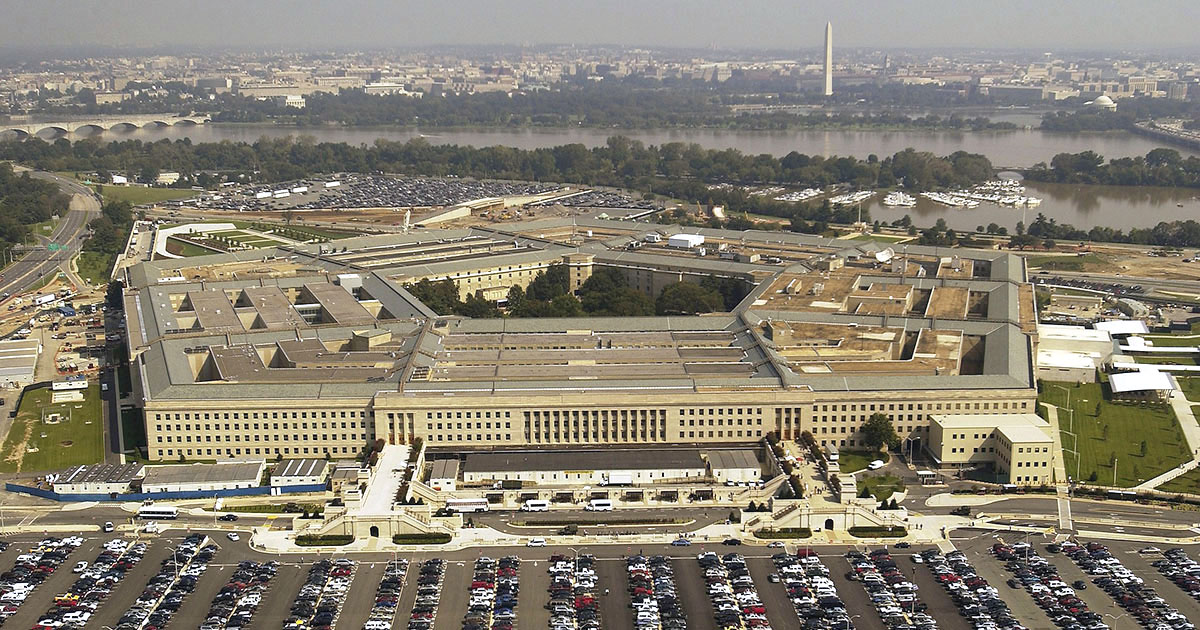
The Department of Defense has introduced a set of stringent guidelines for an independent military newspaper, marking a significant escalation in the Pentagon's control over media coverage. The new regulations have sparked a flurry of discussions among journalism watchdogs and media outlets. They view these rules as an encroachment on press freedom, potentially stifling critical reporting on defense matters.

This move is the latest in a series of actions by the Defense Department aimed at tightening the flow of information. These actions have included heightened classification of documents and increased surveillance of media correspondents embedded with military units. According to internal memos, these restrictions are designed to safeguard national security. However, critics argue that they serve more to shield the agency from scrutiny and dissenting voices.

Under the new guidelines, journalists face a more arduous process in obtaining interviews with military personnel and accessing base locations. Requests for information are subject to additional layers of approval, extending the timeline for responses and limiting transparency. Although the Pentagon asserts that these measures are in line with preserving operational security, media experts contend that they compromise the press's capacity to fulfill its watchdog role over government decisions.

The response from the journalism community has been swift, with organizations drafting statements condemning the guidelines' potential to undermine independent reporting. They point out that such measures can set troubling precedents for future interactions between the media and various government bodies. In an age where information flows rapidly and freely, these restrictions raise questions about the balance between security and freedom of the press.

| Daniel Cho

President Donald Trump has frequently extolled the virtues of apprenticeships, casting them as a keystone in his vision of a new golden era for American labor.

| Julian Park

Just as the sun was beginning to set over Havana, a significant announcement was made, overshadowing the upcoming speech of Cuban President Miguel Díaz-Canel.

| Theo Ramirez

At a public iftar dinner, an event celebrated by Muslims worldwide to break their daily fast during the holy month of Ramadan, New York City Mayor Mamdani addressed the congregation with a forthright critique of political discourse he deemed divisive.

| Soraya Amin

Amid growing tensions in the Middle East, government insiders and foreign policy experts debate whether the U.S.'s diplomatic approach towards Iran was a genuine attempt at peace or a strategic facade enabling military preparation.

| Daniel Cho

In a state often seen as a political bellwether, recent focus groups of swing voters have illuminated a growing discontent concerning America's military engagement in Iran.

| Ruthie Klein

In a striking shift of political allegiance, swing voters pivotal in President Trump's successful reelection in 2024 are voicing significant discontent over his administration's decision to initiate military action in Iran.

| Ruthie Klein

As the debate over road safety intensifies, the White House is advocating for stricter regulations on commercial driver’s license (CDL) requirements, especially in the wake of several high-profile crashes involving foreign-born drivers.

| Soraya Amin

In an ambitious bid to rein in consumer costs, President Trump laid the cornerstone of his affordability agenda on the promise of lowering gas prices.

| Maya Caldwell

The latest chapter in the tumultuous saga revolving around the Department of Governmental Ethics (DOGE) unfolded today as the agency's internal watchdog revealed a fresh probe into alleged data mishandling by its employees.