
Trump's Iran Conflict Inflicts Fresh Financial Strain on Farmers
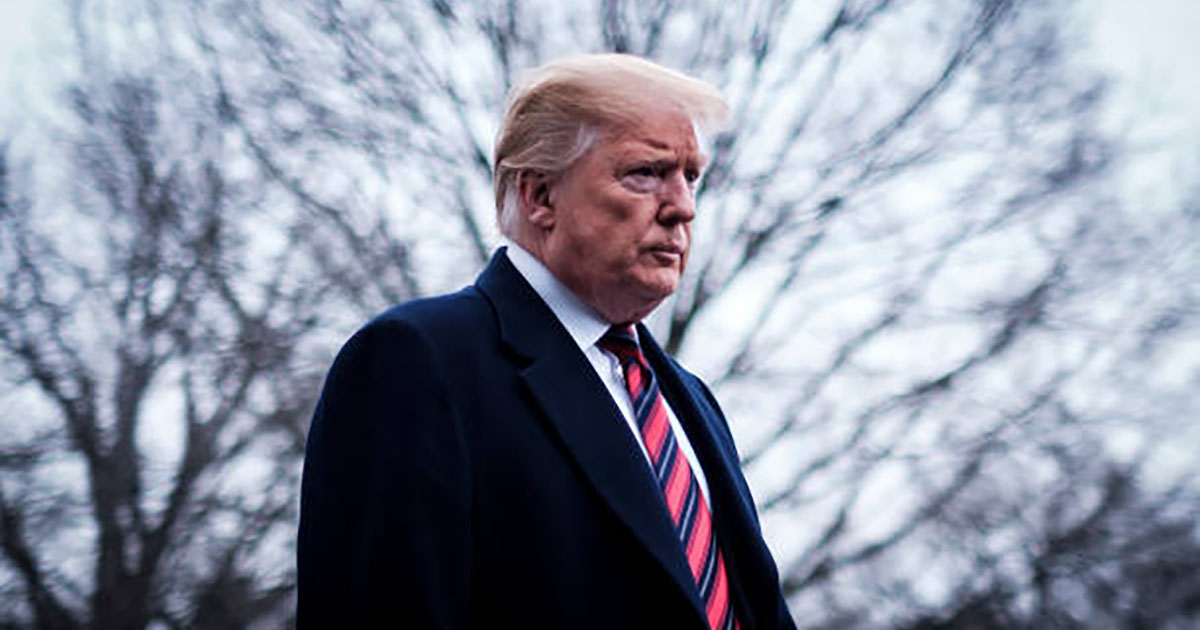
The latest foreign policy move by President Trump, particularly the escalating conflict with Iran, is casting shadows over the heartlands of America, home to many of his staunchest supporters—farmers. With tariffs and trade wars having already strained pocketbooks, the new war initiatives have further heightened tensions in agricultural communities uneasy about the ripple effects of higher operational costs. For many, the novelty of a business-minded leader is wearing thin as they grapple with consequences that reach far beyond the political arena and into their daily livelihoods.
At the crux of their concerns are the hikes in fuel and fertilizer prices, commodities that are paramount in farming operations. Farmers rely heavily on these supplies not only to cultivate and harvest their yields but also to transport goods to market. The conflict with Iran has intensified uncertainties regarding the stability of oil prices, which directly impacts the cost of transportation and production machinery. Many agrarians, who were once buoyed by promises of deregulation and renewed trade agreements, now find themselves questioning the benefits as they tally their increasing expenses.
Moreover, the enduring anxieties stemming from the geopolitical uncertainties have led to volatile markets, further unnerving the agricultural sectors that thrive on stability and predictability. Futures markets for crops like soybeans and wheat have shown erratic patterns, complicating the financial planning of farm operations that need to hedge against such volatilities. The already weather-beaten community now faces a new form of unpredictability, driven by decisions that are far removed from the rural corridors they've called home for generations.
While some rural constituents maintain their support for the President, buoyed by his rhetoric and promises for future prosperity, others are beginning to express caucus-level unrest. Town hall meetings in farm-centric states have seen rising voices urging local representatives to relay their economic distress back to the administration. The narrative of economic strain is resonating more as farmers critically assess the cost-benefit of policies that now seem to deter more than they deliver, challenging the notion that robust foreign policy should come at the expense of domestic well-being.