
Pentagon Dispatches 82nd Airborne to Middle East Amid Rising Tensions
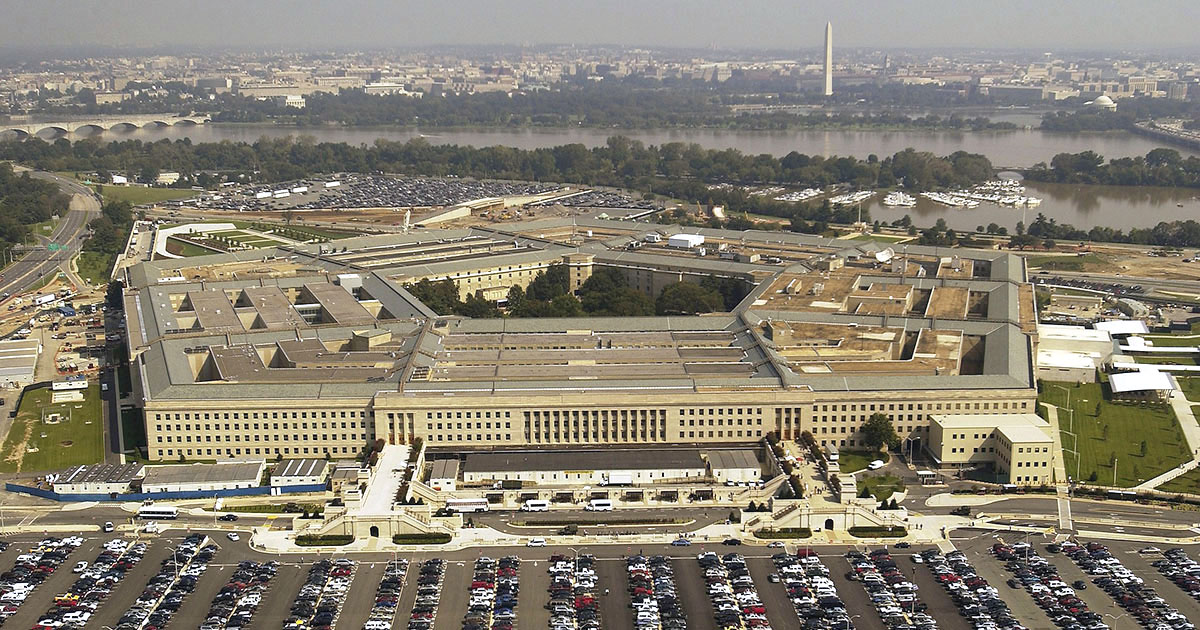
Nearly one month into the Iran conflict, the Trump administration is treading a careful line between military escalation and diplomatic engagement. In a bid to stabilize a volatile region, President Trump's team has been vocal about keeping all options open, balancing saber-rattling rhetoric with calls for negotiations. The administration claims to be pursuing diplomatic avenues vigorously, even as it authorizes the deployment of thousands of U.S. paratroopers to the Middle East.
The move to bolster military presence with fresh troops has garnered mixed reactions from both domestic and international observers. Some critics argue that the administration's military strategy undermines its purported peacemaking efforts, fearing it might escalate tensions further. Meanwhile, supporters insist that the increased U.S. troop presence will serve as a strategic deterrence against any hostile actions by Tehran, thus reinforcing the administration's negotiating power.
The fine balance between diplomacy and military means has left Congress and the international community speculating about the administration's true endgame. Capitol Hill has been abuzz with discussions, while foreign allies cautiously await clearer indications of Washington's strategy. As the Trump administration navigates these turbulent waters, its stance remains ambiguous, reiterating its commitment to a peaceful resolution while showcasing military might.
For the Trump administration, keeping its options open appears to be a central tenet of its foreign policy approach in the Middle East. With the stakes critically high, the decisions made in Washington over the coming weeks could spell lasting consequences on both regional stability and global geopolitical norms. Investors and diplomats alike watch with bated breath, seeking clarity amidst the current unpredictability.