
Trump's Ballroom Clash Unveils Secrets of White House's Hidden Bunker
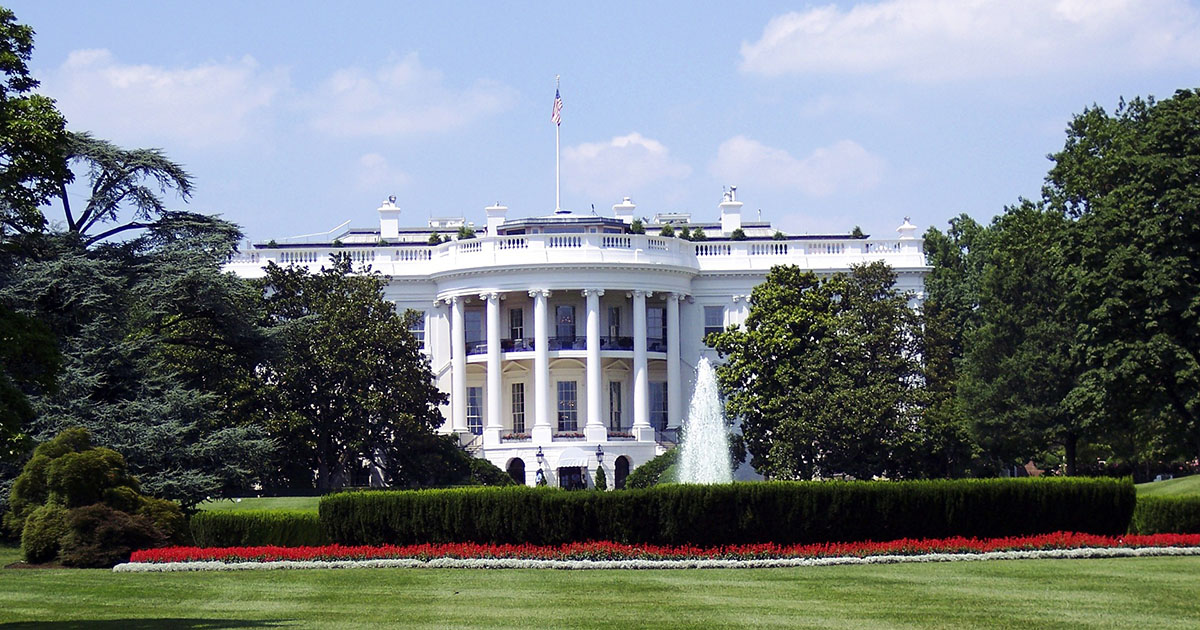
The fate of a Cold War-era bunker, nestled beneath the rubble of the former East Wing, remains shrouded in uncertainty. The structure, whose existence dates back several decades, has surfaced in legal discourse as the Trump administration pushes to forge ahead with its construction agenda. Officials have been invoking national security prerogatives as the guiding rationale in their court briefs, sparking a mixture of intrigue and apprehension among observers.
Originally constructed as a sanctuary during heightened geopolitical tensions, the bunker's current condition is ambiguous at best. The East Wing, which once stood as its sentry, has since been razed, leaving the subterranean chamber's fate in bureaucratic limbo. Despite the absence of the structure's original architectural cocoon, the government is determined to rehabilitate the site's strategic utility, citing security imperatives as the linchpin for continued development.
Legal experts and historians alike find themselves at a crossroads. On one hand, the invocation of 'security concerns' has long been a tool for administrations to navigate regulatory mazes. On the other, the specificity surrounding which threats justify such an undertaking remains elusive. As legal challenges unfold, questions linger as to whether the bunker represents a genuine imperative or a relic of dated defense paradigms, revitalized under contemporary rhetoric.
The discourse around such sensitive infrastructure underscores broader tensions in governmental transparency and strategic prudence. At its core, the administration's legal submission is perceived by some as a bellwether for testing the boundaries of security claims in public projects of this nature. For now, the engineering future beneath the East Wing remains a deeply buried matter, enshrined in layers of both concrete and confidentiality.