
Congress Faces Unprecedented Wave of Resignation and Expulsion Pressures
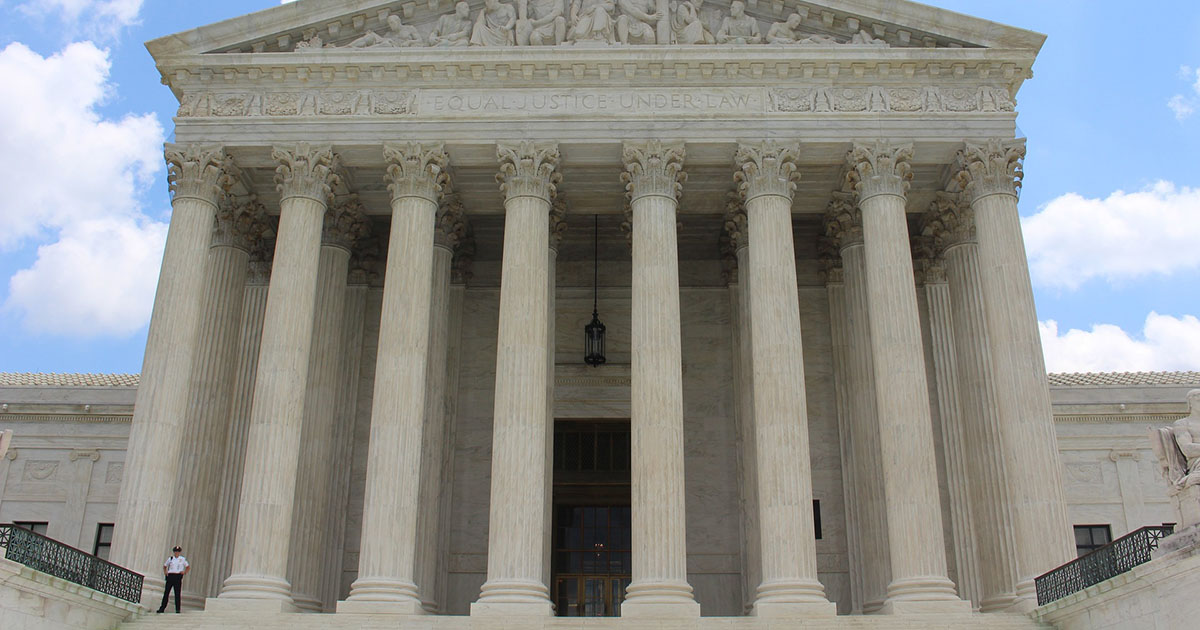
The halls of Congress are no strangers to controversy, but the recent spate of House members grappling with calls for resignation or expulsion underscores a growing climate of accountability—or perhaps turmoil—within the halls of power. Among the legislators in the spotlight is Rep. Sheila Cherfilus-McCormick, D-Fla., who finds herself part of a quartet facing significant pressure in the national spotlight. This new wave of scrutiny raises questions about the evolving expectations placed on public officials in an era when public trust in political institutions is precariously low.
The unfolding saga with Rep. Cherfilus-McCormick and her three fellow representatives is indicative of a broader trend where personal and professional conduct is subjected to intense examination. Congressional leaders and political analysts alike are keenly watching whether these developments signal a meaningful shift in how elected officials are held accountable for their actions or if such episodes are transient flashpoints in an age of social media dissemination. The speed at which information spreads today fuels public opinion and adds pressure, which can ultimately lead to quick political calculations about a member's future in office.
This situation is amplified by the fact that the composition of Congress continues to undergo transformation, with diverse voices bringing new perspectives but also complex challenges. The specter of ethical lapses, misconduct, or controversial decisions has prompted voters and political entities to reassess their tolerance levels. For Rep. Cherfilus-McCormick and her counterparts, these moments test not only personal reputations but also the institutional integrity of Congress as a whole.
As this intricate tapestry of political intrigue plays out, it serves as a crucible for what comes next. Congress faces the daunting task of balancing internal disciplinary actions while maintaining the legislative agenda. How it navigates these challenges could redefine how accountability is managed in modern politics and influence perceptions of the viability of the nation's legislative branch. Whether this leads to meaningful reform or simply marks another chapter in the storied history of Congress remains to be seen.