
Senate Approves Sweeping $70 Billion Measure to Bolster Immigration Enforcement
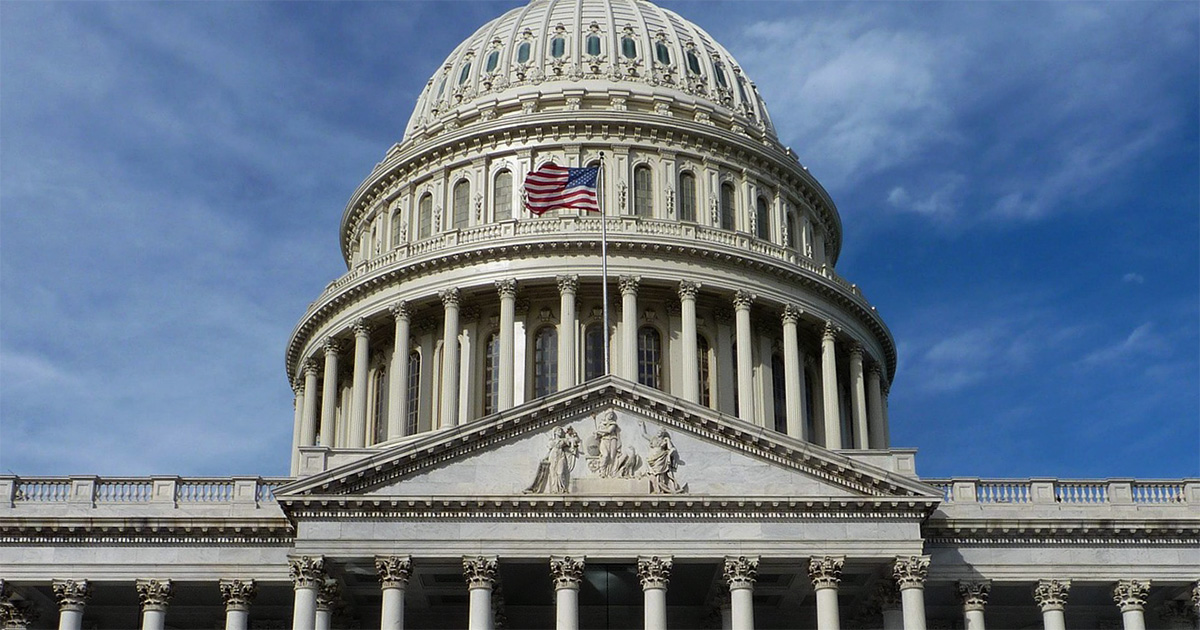
In an unexpected pre-dawn development, the Senate maneuvered a decisive passage of a contentious bill that secures funding for President Trump's stringent immigration enforcement initiatives, extending coverage through the duration of his presidency. This legislative victory shores up the administration’s ability to fulfill its aggressive immigration policies, amidst a fractious political landscape. While the debate drew heated exchanges late into the night, the final tally garnered just enough bipartisan support to ensure passage, offering a leg up to the President's enduring agenda on border security.
Proponents of the bill emphasized the necessity of a robust immigration enforcement framework to safeguard national security and maintain orderly processes at U.S. borders. “This is not just about funding – it's about fortifying our nation's defenses,” asserted Majority Leader Mitch McConnell. Opponents, however, decried the bill as an overly draconian measure, expressing concern over potential civil liberties infractions and the human toll associated with stringent enforcement proceedings. This legislative maneuver serves to intensify the ongoing national debate over the ethical balance between security and humanitarian responsibility.
The vote arrives at a critical juncture for President Trump, who has relentlessly prioritized immigration as a cornerstone of his domestic agenda. By securing fiscal resources dedicated to enforcing policies on a range of immigration issues, from detentions to deportations, the administration gains latitude to implement its vision with fewer constraints. Meanwhile, Democratic leaders voiced their dissent, advocating for a more comprehensive immigration reform that would include pathways to citizenship, humane treatment of asylum seekers, and stable protections for DACA recipients, a stark contrast to the enforcement-centric path this bill upholds.
With bipartisan divides sharpening as the 2024 elections loom, the bill's passage highlights the continuing tug-of-war over immigration policy that has characterized much of Trump's tenure. This development will likely serve as a catalyst for both sides; Republicans emboldened to push further on security measures, while Democrats double down on calls for humanitarian-led reforms. As both chambers of Congress now prepare to navigate the implications of this funding decision, eyes will turn to the electorate's response, gauging how deeply the tug on these moral and political threads resonates across the national political tapestry.