
U.S. Tightens Small-Business Loan Access, Closing Doors for Immigrant Entrepreneurs
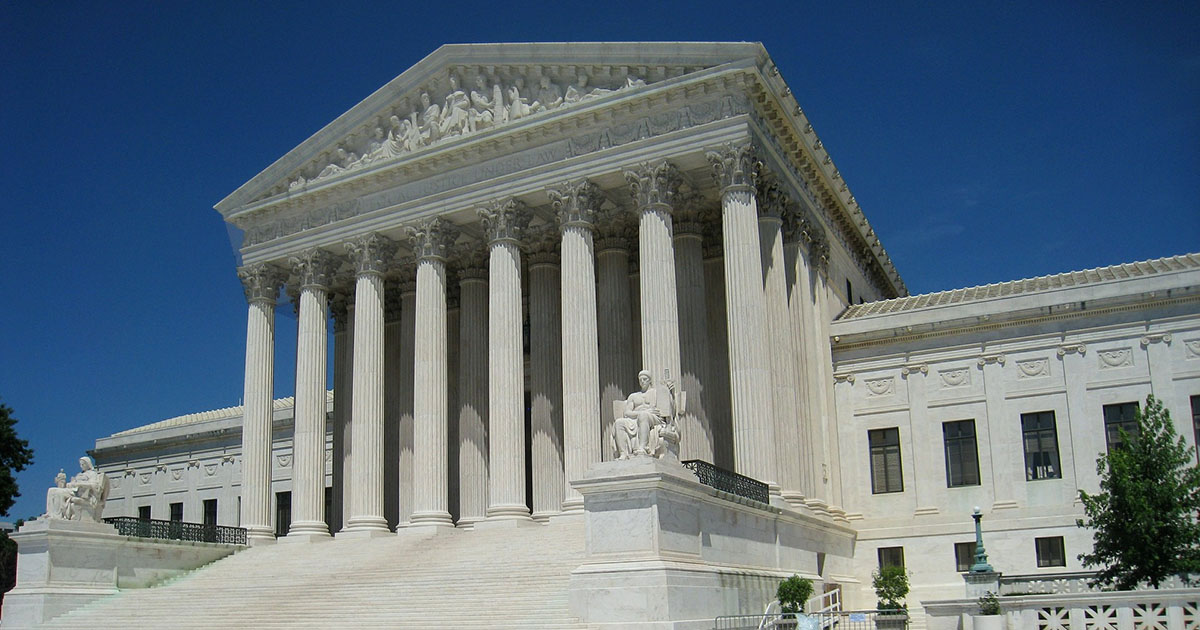
For decades, immigrants who are legal permanent residents in the U.S. have held an essential avenue to achieving entrepreneurial success: obtaining loans through the Small Business Administration (SBA). This government agency, a bedrock of financial support for countless small enterprises across the nation, has been pivotal in enabling immigrant-owned businesses to thrive and contribute to the broader economy. However, recent changes to the SBA's lending policies have abruptly closed the door for these aspiring business owners, potentially stymieing economic dynamism within communities nationwide.
The SBA traditionally enabled legal permanent residents to access vital capital under the same day auspicious terms provided to U.S. citizens. This policy acknowledged the significant entrepreneurial spirit evident within immigrant communities, many of whom have founded successful small businesses from restaurants to tech startups. These enterprises, in turn, have been a boon for local economies, generating jobs and providing services in otherwise underserved areas. This shift in policy, restricting access to SBA loans for this group, represents a dramatic departure from the past that could have reverberating effects on the small-business landscape.
Critics of the policy change argue that it undermines the principles of inclusivity and opportunity that are fundamental to the American economy. Immigrants, particularly those who are legal permanent residents, have historically played a critical role in driving innovation and economic growth. The SBA's newfound restrictions may dampen this entrepreneurial spirit and potentially discourage investments that could lead to future growth and job creation. As lawmakers and advocacy groups question the rationale behind this decision, they urge the government to reconsider its stance to ensure that all legal residents have a fair shot at achieving the American dream.
On the other hand, supporters of the change claim it aligns the SBA's lending policies more closely with national priorities, possibly redirecting funds to other segments of the population. However, balancing inclusivity with strategic resource allocation remains a complex challenge. As this policy shift unfolds, its impact on the broader economic ecosystem remains to be seen, though the immediate consequences on immigrant businesses are already becoming visible.