
Indiana Lawmakers Deal Blow to Trump with Defeat of Redistricting Plan
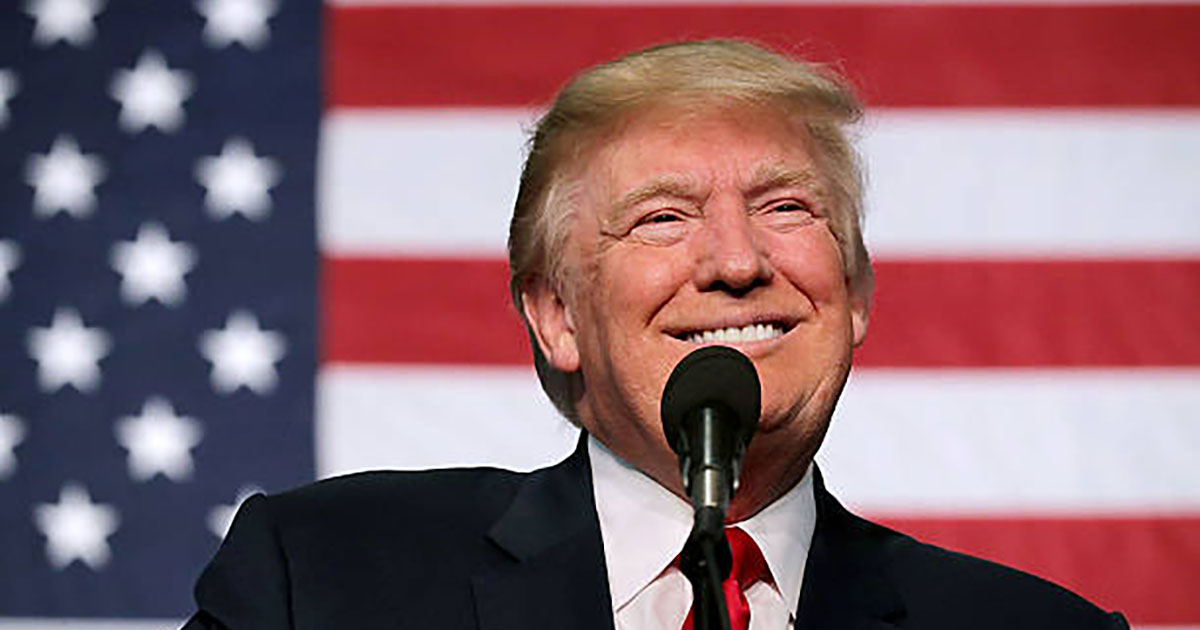
In a noteworthy display of political independence, Republican senators have shown reluctance in rallying behind former President Donald Trump's latest endeavor for redistricting efforts, despite heightened pressure from him and the state's Republican governor. The stalwart resistance emanates from potential concerns over political ramifications and strategic differences in approach. Republican senators, who are typically aligned with the former President, now find themselves at a crossroads as they navigate the complex dynamics of party loyalty, governance, and strategic electoral planning.
Tensions have escalated as President Trump, utilizing his considerable influence within the Republican base, has threatened primary challenges against those senators who resist his redistricting agenda. Such threats, although not new in the realm of political maneuvering, have stirred discussions among the GOP ranks about the long-term considerations and the principle of independence versus party conformity.
For many Republican senators, the crux of the debate centers on the potential for redistricting to influence future elections significantly. On one hand, aligning with President Trump could secure or reinforce electoral districts favorably towards Republican candidates. On the other, the proposal may risk alienating moderate constituents and spark inter-party feuds that could weaken the party’s overall electoral strategy in the upcoming midterm elections.
Some analysts argue that this skirmish represents a broader ideological struggle within the party, as it seeks to define its identity in the post-Trump era. The outcome of this redistricting conflict could reflect or even shape the prevailing power dynamics within the Republican Party, potentially setting precedents for how internal disagreements are addressed in future political cycles.