
Cuba on Alert as Trump Reinforces Monroe Doctrine Revival
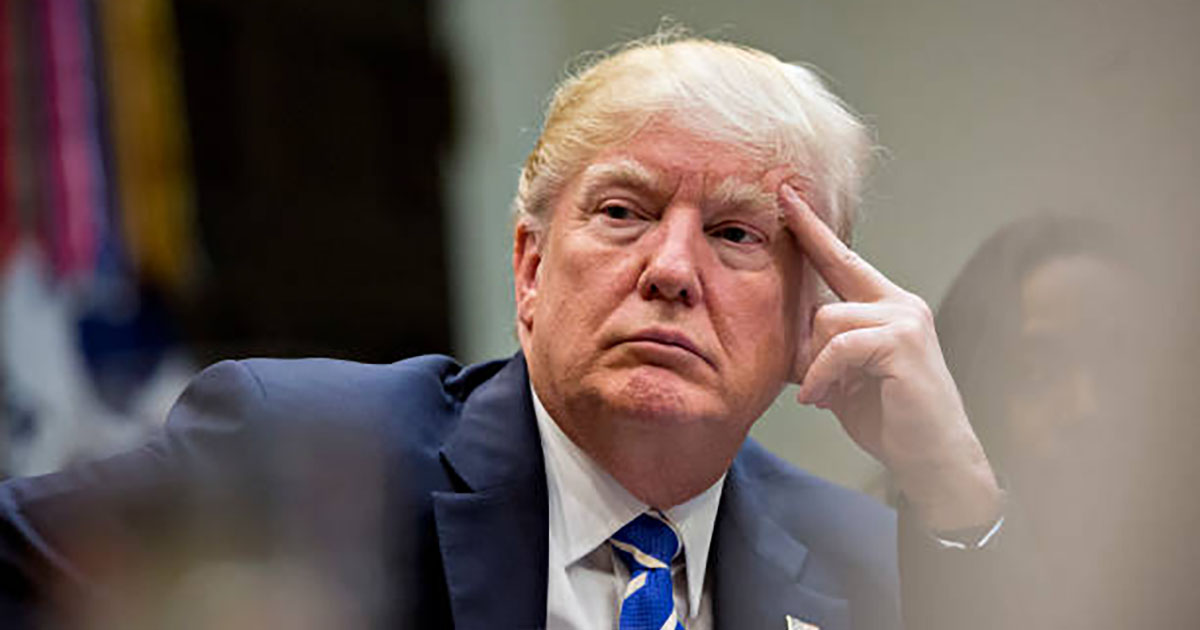
In a controversial move that could redefine American influence in the Western Hemisphere, President Trump has invoked the Monroe Doctrine in his policy towards Venezuela. During recent remarks, the President asserted that the United States could no longer allow a dictatorial regime to wield unchecked power so close to its borders. This revival of the Monroe Doctrine—a principle dating back to President James Monroe’s 1823 declaration aimed at limiting European colonization efforts—signifies a bold statement on the Administration's approach to foreign policy concerning Latin America.
For Cuba, this development brings a palpable sense of uncertainty. The island nation has endured decades of economic embargoes and strained diplomatic relations with the United States, a situation that could further deteriorate if the Monroe Doctrine is applied to other regional actors seen as opposing U.S. interests. Cuban residents are bracing for the potential repercussions of this policy shift, concerned about a return to the heightened tensions that characterized much of the Cold War era.
Analysts suggest that the Trump Administration's emphasis on the Monroe Doctrine reflects a desire to counteract the growing influence of external powers, notably China and Russia, in what has long been considered America's backyard. By taking a firmer stand against Venezuela's embattled government, the U.S. aims to reassert its dominance in shaping the political landscape of Latin America. However, this strategy carries the risk of alienating key regional allies, who may view such a doctrine as an overreach reminiscent of burdensome U.S. interventionism of the past.
The future of U.S. relations with Latin America is now at a crossroads, with the potential for significant diplomatic and economic consequences. As international observers closely watch these developments, the reinvigoration of the Monroe Doctrine will test whether it remains an effective tool for safeguarding American interests or if it merely serves as an outdated relic of a bygone era.