
Uncertainty Lingers Over Trump Administration's Venezuela Strategy
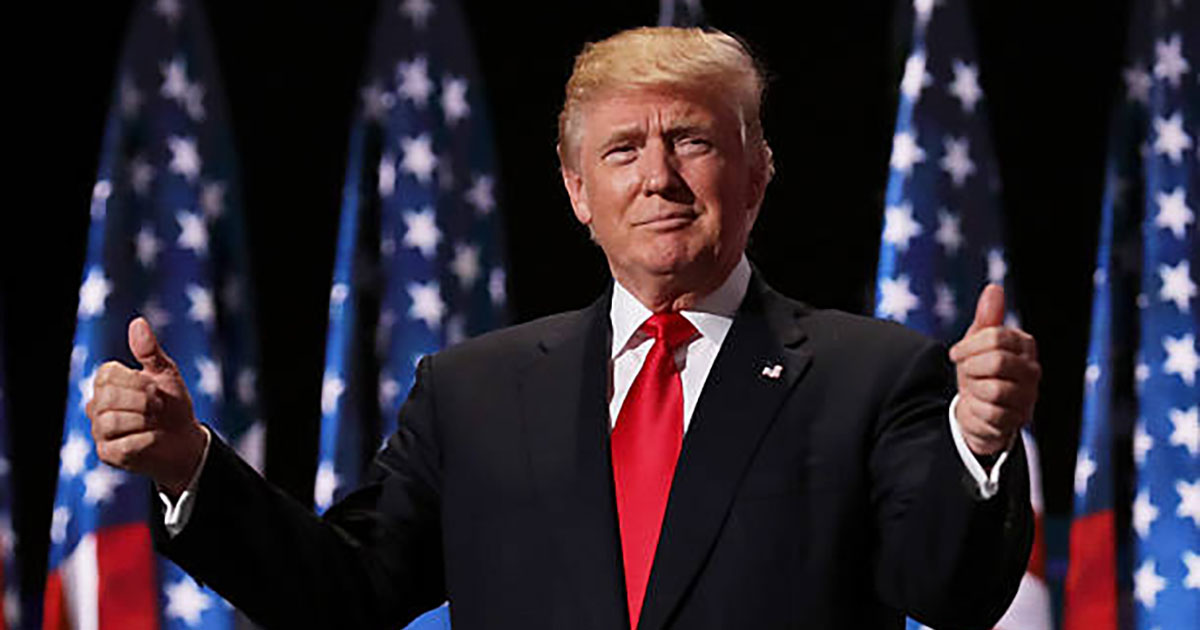
In an unexpected turn of global diplomacy, President Trump has recently shared a series of mixed messages regarding the future of Venezuela following the capture of its president. This bold move has left international observers and policymakers puzzled about the administration's overarching strategy for the South American nation. Trump's initial statements celebrated the capture as a triumph for democracy, yet subsequent remarks have left room for ambiguity, introducing an air of uncertainty about the roadmap that lies ahead for Venezuela.
The unfolding narrative has been marked by swift shifts in tone. Addressing the media, Trump initially placed strong emphasis on implementing democratic reforms and stabilizing Venezuela's economy. However, as days have progressed, his rhetoric has oscillated, with advisors suggesting alternative approaches ranging from direct economic intervention to cultivating grassroots political movements within the country.
Trump's vacillation on the matter has been exemplified by a recent address where he spoke about the potential for renewing economic ties conditional upon certain political reforms. Critics argue that these shifting perspectives may undermine U.S. credibility in the region, while supporters contend that a flexible approach allows for negotiations that better align with U.S. interests. The rising tension in Congress about the matter reflects the complexity and high stakes of creating a cohesive policy.
This evolving situation is intertwined with broader geopolitical dynamics. With major powers watching closely, the international community is keen to see if the U.S. will solidify its stance or continue to adopt a more calculated wait-and-see approach. As Venezuela stands on the precipice of potential change, all eyes are on President Trump and whether his administration's strategy will bring about the envisioned stability and prosperity for the Venezuelan people.