
Trump's Border Czar Announces Limited Security Force to Remain in Minnesota
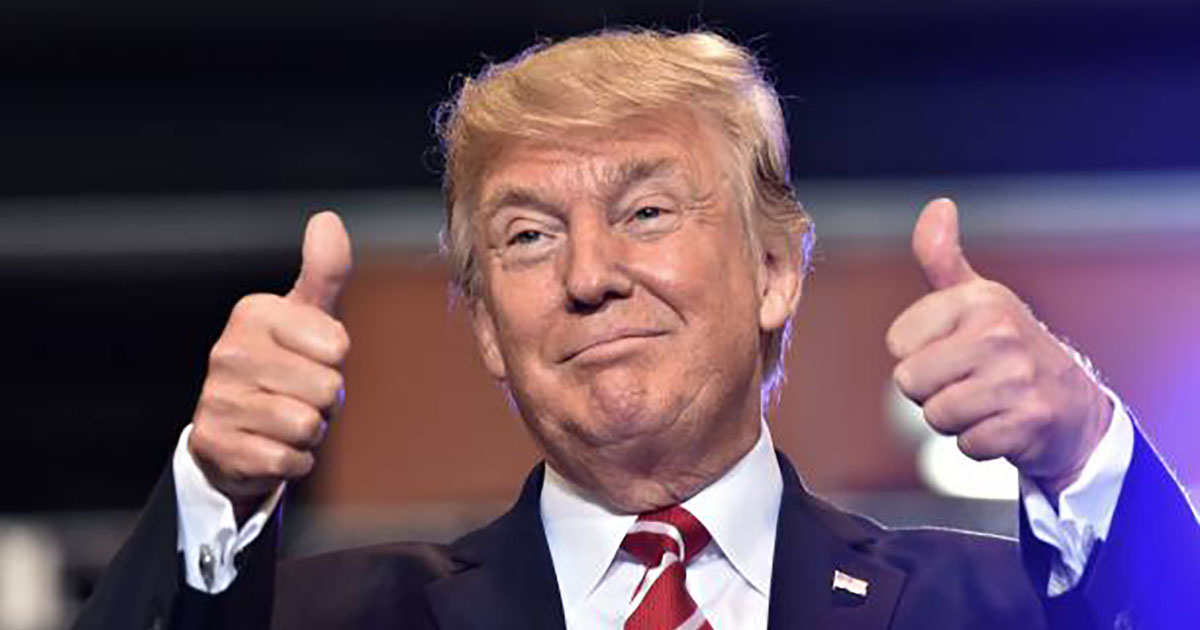
In recent developments, Tom Homan, a prominent figure in immigration enforcement, announced the deployment of federal forces to safeguard immigration agents. This move comes amidst a significant drawdown in the sweeping immigration crackdown that has dominated headlines. Homan emphasized that the federal presence is intended to be temporary, underscoring a commitment to ensuring safety while the transition takes place. The sentiment is clear: the effort seeks to balance enforcement with operational security in a time of change.
Despite the assurances of short-term deployment, the decision has garnered a mixed response from political leaders and advocacy groups. Proponents argue that the measure is a necessary precaution, ensuring that immigration agents can perform their duties without increased risk. Conversely, critics question the implications of federal forces patrolling local communities, expressing concerns over potential overreach and the enduring impacts on local law enforcement dynamics.
The backdrop to this development is a broader narrative of shifting immigration policy and enforcement priorities. In a landscape where policy decisions are frequently scrutinized, Homan's announcement signals a strategic pause, potentially affording space for policymakers to recalibrate and adjust strategies. As discussions continue, stakeholders across the political spectrum are grappling with how best to navigate the fine line between robust enforcement and the rights and safety of local communities.