
Leading Trump Administration Immigration Spokesperson Steps Down
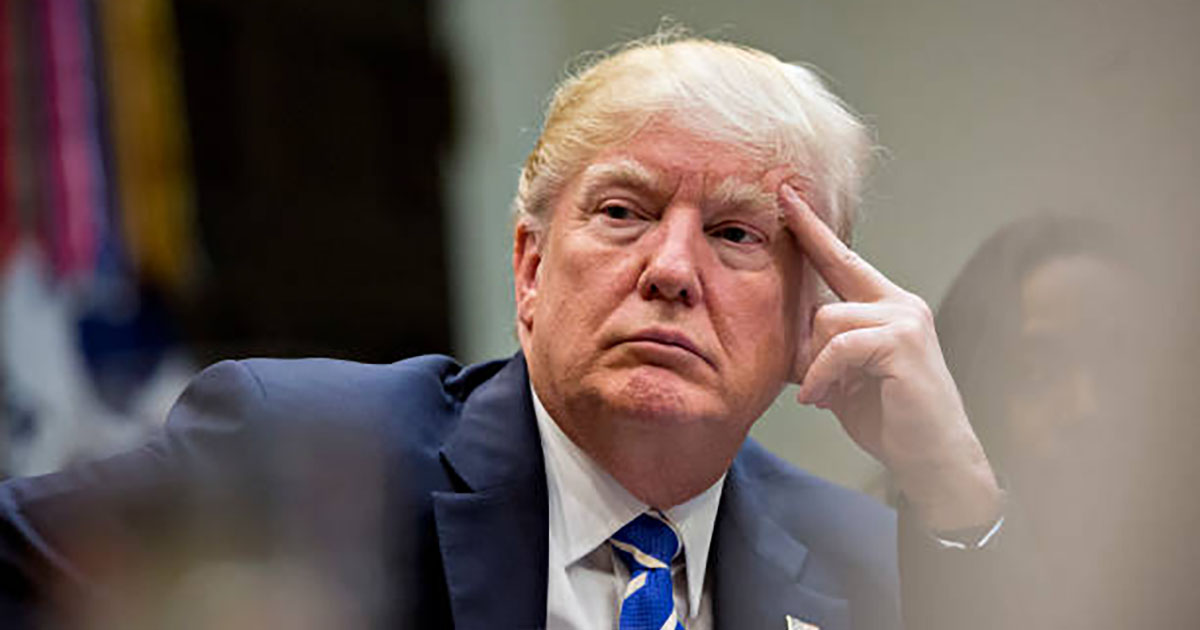
Tricia McLaughlin has emerged as a pivotal figure in the Trump administration, taking center stage to defend policies that have sparked both fierce criticism and fervent support. As the public face of the administration's mass deportation policy, McLaughlin finds herself at the intersection of a heated national debate that encompasses issues of legality, human rights, and economic impact. Her role has not been without controversy, as she steadfastly articulates the administration's stance amid growing opposition from immigration advocates and political opponents.
With a background in communications and public policy, McLaughlin has navigated the tumultuous waters of public opinion by reinforcing the administration's narrative of national security and rule of law. She contends that the deportation policy is a necessary measure in upholding immigration laws and safeguarding American jobs. Despite the backlash, she has consistently emphasized the message that the United States must maintain strict control over its borders to ensure the safety and prosperity of its citizens.
On the public stage, McLaughlin is both a spokesperson and a shield for the administration. Her appearances on network news programs and interviews with major publications have been instrumental in conveying the administration's rationale behind the immigration crackdown. McLaughlin often points to what she describes as the detrimental effects of illegal immigration, underscoring efforts to differentiate between lawful and unlawful residents.
Her presence and assertive defense of controversial policies highlight a broader strategy from the administration to rally its base and fortify its stance on immigration. Critics argue that McLaughlin's narratives gloss over the humanitarian concerns raised by the deportation policy, but she remains resolute, often pointing to selective case studies that illustrate the administration's message.