
Senate Approves DHS Funding, Sidesteps Immigration Enforcement
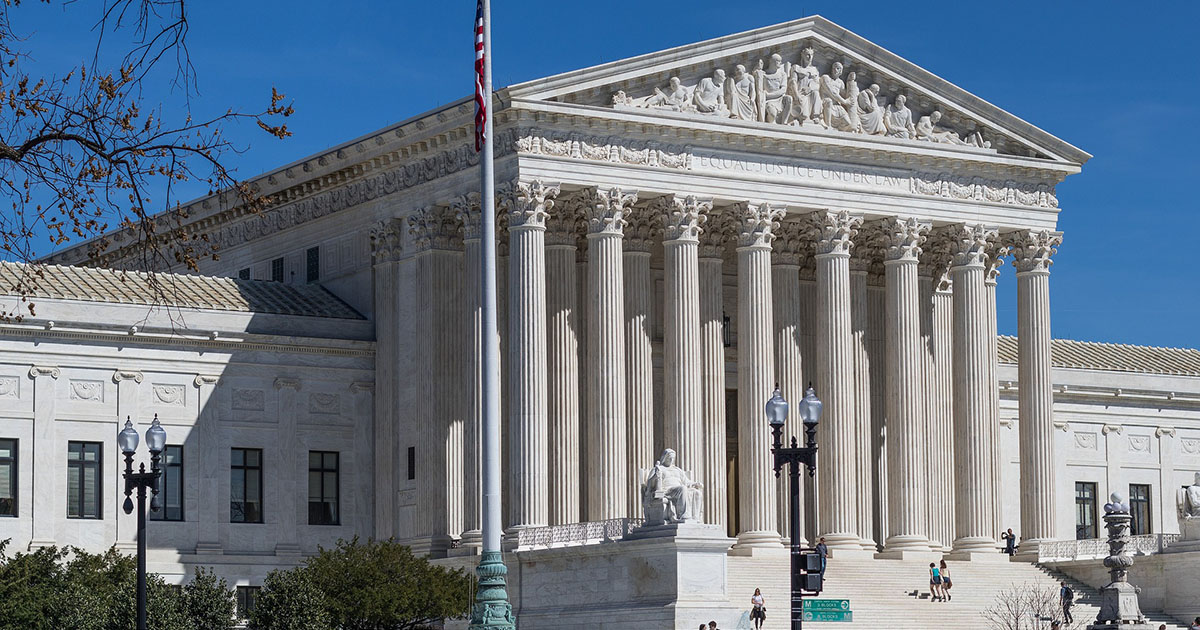
In a pre-dawn vote on Friday, the Senate gave a green light to a crucial funding bill aimed at preventing a partial shutdown of the Department of Homeland Security (DHS). This legislation, after much wrangling and political maneuvering, ensures that the majority of DHS operations will remain funded, averting disruptions that could have impacted national security and public safety. However, conspicuously absent from the bill's benefactors is the Immigration and Customs Enforcement (ICE) agency, which remains unfunded by this legislative move.
The decision to exclude ICE from the funding package comes amid heated debate and mounting legislative gridlock over immigration policies and enforcement practices. Lawmakers struggled to balance the demands of securing funding for essential national security activities while addressing contentious issues related to immigration enforcement, which have become politically divisive. The compromise reflects a broader challenge Congress faces in reconciling diverging views on how to manage and reform immigration policy while maintaining essential government operations.
Supporters of the bill contend that it was imperative to act swiftly to safeguard the critical functions of the DHS, which include border protection, disaster response, and terrorism prevention, without getting entangled in disagreements over immigration policy. Critics, however, argue that failing to provision ICE within the same framework could lead to unintended consequences, including potential gaps in immigration enforcement during the period of fiscal uncertainty.
As the bill heads to the House, where its fate remains uncertain, the pressure mounts for lawmakers to find a comprehensive solution that addresses both national security and immigration enforcement. This episode underscores the intricate and often fraught dynamic of governance, where policy, politics, and practicality collide, leaving agencies and the workforce navigating uncharted waters until a more permanent resolution is achieved.