
GOP Lawmakers Gear Up for Battle Over Iran Conflict's Cost
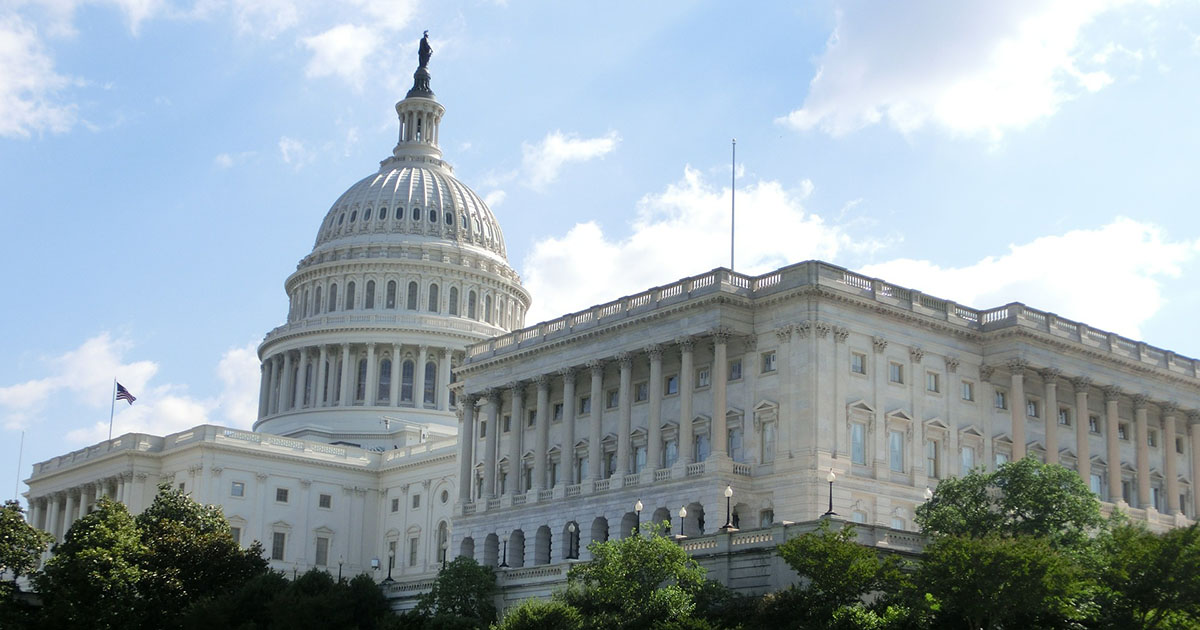
As the political landscape in Washington continues to shift, a growing number of Republican lawmakers are stepping forward to express their reservations about the ongoing support for the war effort. These legislators, reflecting the changing tide of public opinion within their constituencies, are raising alarms over the financial implications and strategic objectives that underpin the current military engagement. Their voices, gaining traction on Capitol Hill, pose a significant challenge to GOP leadership, which must now navigate the complex task of aligning party support for new funding initiatives.
The dissent within the Republican ranks signals a potential fault line in the party's traditionally hawkish stance on defense matters. While some members argue that continued military expenditures are necessary to safeguard U.S. interests and maintain global stability, others question the sustainability of such commitments amid domestic fiscal constraints. This internal debate reflects a broader national conversation about the prioritization of resources in an era marked by mounting debt and economic uncertainty.
For Republican leaders, the path forward requires not only reconciling these divergent viewpoints but also crafting a compelling case to secure the needed appropriations from a Congress that is growing increasingly skeptical of open-ended military engagements. The challenge is further compounded by an electorate that is becoming more wary of foreign interventions, demanding greater transparency and accountability from their representatives. GOP strategists are thus tasked with articulating a clear vision that balances national security imperatives with fiscal responsibility.
As discussions on new funding progress, the pressure is on for Republican congressional leaders to forge a consensus that satisfies both party hardliners and moderates. This delicate balancing act will require deft political maneuvering and a deep understanding of the varied interests at play. Whether they can successfully navigate these turbulent waters will have profound implications not only for the party's unity but also for the broader direction of U.S. foreign policy. The stakes are high, and the decisions made in the coming weeks will likely reverberate well beyond the halls of Congress.