
Trump Criticizes Pope Leo XIV, Intensifying Feud Over Iran War with U.S. Pontiff
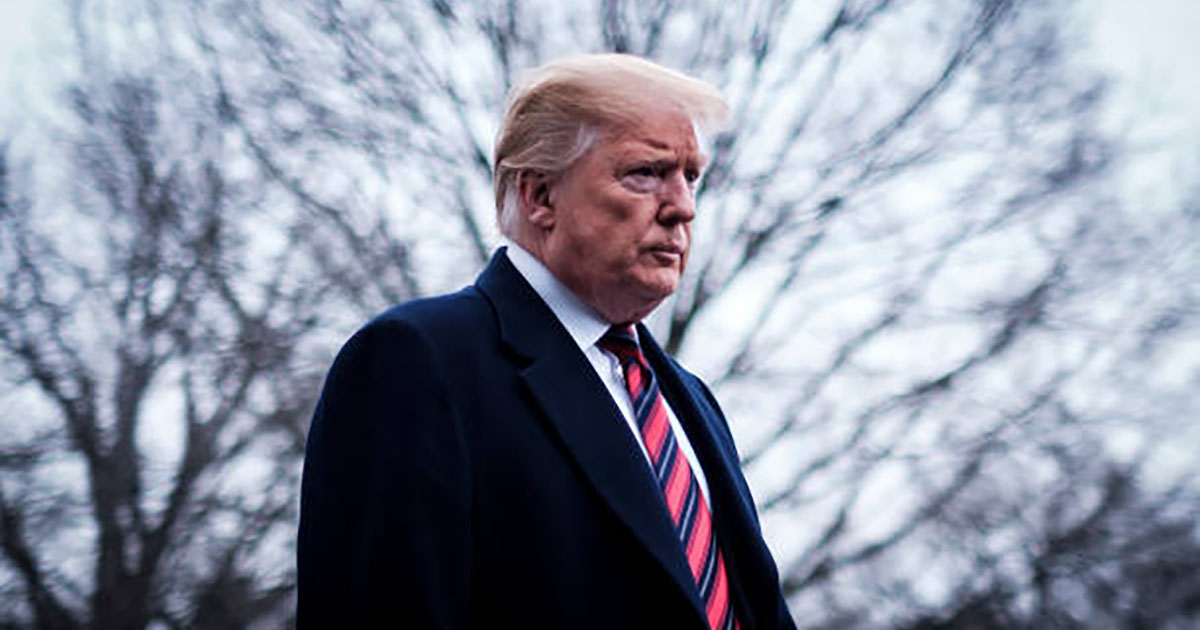
In an unprecedented move that has sent shockwaves through the international community, President Donald Trump launched a rare verbal attack on Pope Leo XIV during a Sunday night address. Trump, known for his outspoken and often controversial remarks, stated bluntly that he believes the American-born pontiff is "not doing a very good job." This critique is particularly notable given the longstanding tradition of mutual respect between American leaders and the Vatican.
The president's criticism appears to be linked to what insiders say is a growing frustration within the White House regarding the pope's recent comments on climate change, immigration, and social justice issues. Pope Leo XIV, the first U.S.-born leader of the Catholic Church, has been vocal on a range of socio-political topics, often in ways that counter the administration's policies. Trump, who has previously had a tumultuous relationship with religious leaders, especially outside the evangelical community, has now brought any simmering tensions into the open.
Reactions from the global Catholic community have been swift. Vatican officials have expressed disappointment, urging a return to diplomatic engagement and dialogue. Meanwhile, Catholic leaders in the U.S. have called for respect towards the papacy, emphasizing the challenges faced by any leader who must balance spiritual guidance with worldly affairs. Despite the president's comments, the Vatican has thus far refrained from issuing any direct response.
This development adds a new layer of complexity to U.S.-Vatican relations, which, until recently, have been chiefly cordial. As analysts speculate on the potential implications for international diplomacy, it remains to be seen how the president's harsh critique will influence the Catholic Church’s future stances on policy issues critical to both nations. Political observers suggest both parties may seek a path to mitigate tensions, aware of the potent symbolism of their relationship to millions of faithful worldwide.