
Justice Department Accused of Politicizing Law Against Anti-Abortion Advocates Under Biden Administration
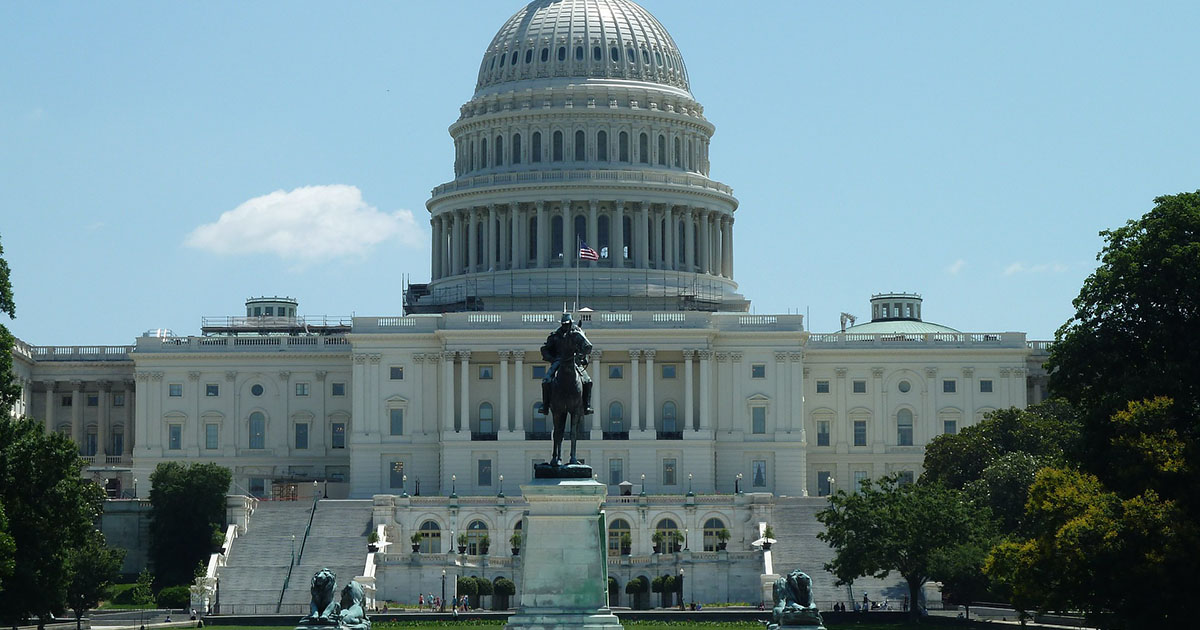
In a crescendo of political contention, the Trump administration voiced an assertive critique concerning the current enforcement of the Freedom of Access to Clinic Entrances (FACE) Act by the Biden Department of Justice (DOJ). Labeling it as a "prototypical example" of legal weaponization, they assert the actions represent a targeted assault against conservative factions. This public declaration intensifies the ongoing discourse surrounding the FACE Act, a legislative relic first enacted in 1994, which prohibits physical obstruction and intimidation at reproductive health service facilities. The Trump administration's denouncement raises questions regarding the intersection of legal interpretation and political motivation, hinting at an increasingly polarized dialogue on law enforcement.
The Biden DOJ, buoyed by advocacy groups, defends its enforcement measures, citing empirical increases in violence and harassment towards clinic-goers, thus justifying stringent enforcement as necessary and lawful. Proponents argue that the law's application ensures the safety and accessibility of reproductive health services, safeguarding rights upheld by precedent over the last several decades. However, the Trump administration’s critique injects a reframed narrative, suggesting that such enforcement strategies are being deployed in a manner that systematically disenfranchises conservative voices, a notion vehemently contested by administration officials.
Amid these turbulent exchanges, legal analysts weigh in, viewing the dispute through various lenses - one being the broader concern of perceived partisanship in legal operations. The FACE Act debate spotlights a critical dialogue over First Amendment rights, the extent of federal jurisdiction, and an administration's latitude in law enforcement prioritization. This discourse, while rooted in specific allegations, mirrors wider national tensions concerning political identity, governance, and legal recourse.
The resolution, if any, to emerge from this contention remains to be seen, with the Trump administration's remarks poised to fuel continued debate. While conservatives may champion this as a clarion call against overreach, others regard it as an overstatement framing legally mandated action as an ideological affront. As political winds shift and the courts evaluate these contentions, nuanced interpretation of the FACE Act will likely become a litmus test for broader judicial and political narratives in the 21st century.