
Amid U.S. Military Blockade of Iranian Ports, Trump Anticipates Swift Resumption of Peace Talks
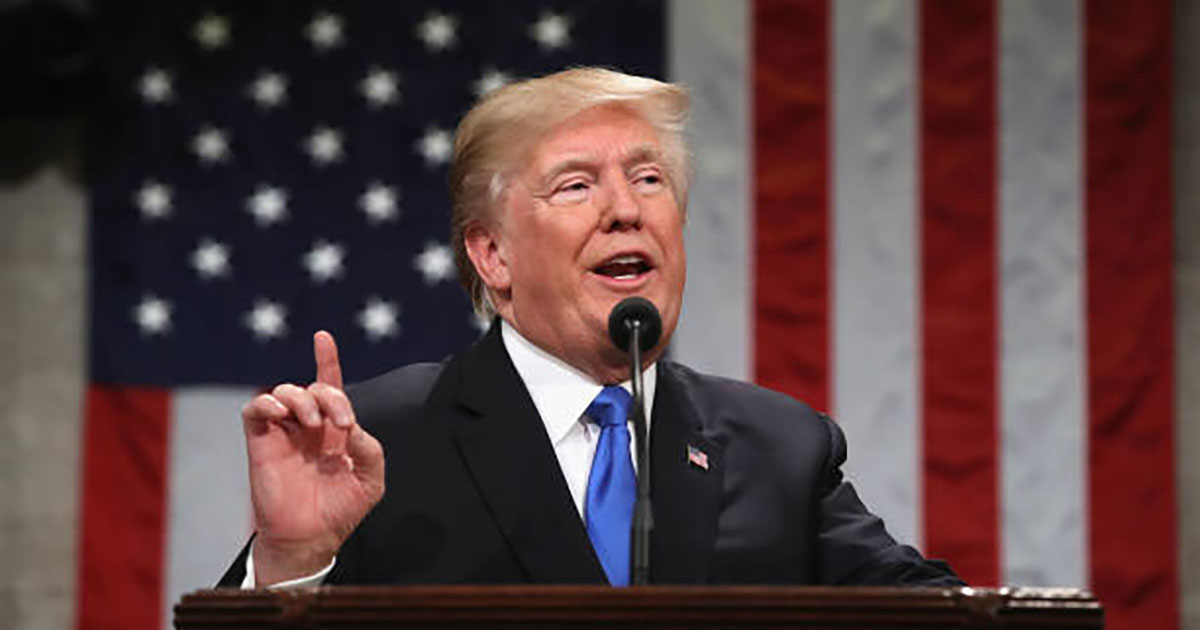
In a surprising diplomatic twist, President Trump announced the potential resumption of direct peace talks between the United States and Iran, slated to occur in Pakistan. This development signals a tentative shift towards dialogue amidst escalating tensions in the region. The President's statement comes on the heels of the U.S. enforcing a naval blockade on all Iranian ports, a move that underscores the complex dynamics at play.
The prospect of negotiations in Pakistan, considered a neutral venue, suggests a willingness from both parties to explore peaceful resolutions despite recent confrontations. Analysts note that talks could serve as a critical juncture for addressing pressing issues, from nuclear development to regional security. However, the naval blockade raises questions about the dual strategy of diplomacy and pressure.
Iranians have reacted cautiously to the news, with some government officials expressing skepticism about U.S. intentions. Meanwhile, allies and adversaries alike are closely observing the diplomatic dance, keenly aware that regional stability hinges on the outcomes of these interactions. The juxtaposition of the potential talks with military gestures illustrates a nuanced approach as both sides navigate an intricate geopolitical landscape.
For President Trump, the decision encapsulates a high-stakes gamble, balancing assertiveness with the promise of dialogue. The administration's strategy appears to be rooted in leveraging economic and military pressure to bring Iran to the negotiating table, all while maintaining an open channel for diplomacy. As such, the world waits with bated breath to see whether this approach will yield tangible progress or exacerbate existing frictions.