
Trump Expedites Psychedelic Research for Mental Health Solutions with New Executive Order
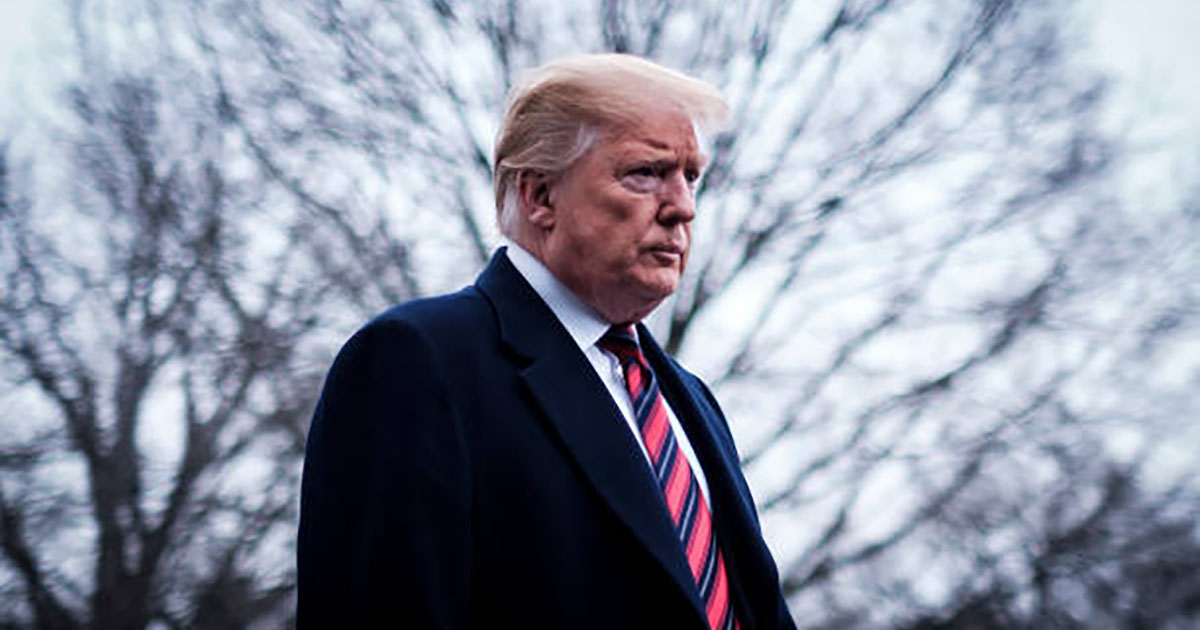
In a move that has already stirred both intrigue and controversy, the President has formally endorsed the clinical study and potential therapeutic use of psilocybin and ibogaine, psychoactive substances traditionally associated with indigenous healing practices. The announcement was made in a lighthearted tone during a press briefing at the White House, where the President candidly quipped, "Can I have some, please?" while addressing the potential medicinal benefits of these substances. The informal remark elicited chuckles from the audience but underscored a serious commitment to exploring novel treatments for mental health conditions.
This endorsement follows a growing trend amongst policymakers who are acknowledging the potential benefits of psychedelics in treating conditions such as PTSD, depression, and addiction. As scientific communities steadily publish promising research, governmental bodies and regulatory agencies are gradually warming to the idea of these substances moving through clinical trial pipelines. The President’s support signifies a meaningful shift in federal attitudes, which aligns with several states’ recent efforts to decriminalize or legalize certain psychedelic compounds for therapeutic use.
Critics, however, caution against the rapid endorsement and potential commercialization of substances with such powerful effects. Concerns linger about the lack of comprehensive long-term studies and the potential for misuse. Skeptics also worry that the President’s jovial remark might inadvertently diminish the serious nature of the ongoing discourse surrounding psychedelic research. Despite these concerns, the administration appears steadfast in its initiative to fund further research and deepen public understanding.
Proponents argue the potential benefits outweigh the risks when proper regulatory frameworks are in place. By endorsing psilocybin and ibogaine, the administration is not just signaling a new frontier for mental health treatment but also addressing a significant public health issue with innovative approaches. The President’s comments, while whimsical, could catalyze a broader societal discussion about mental health, addiction, and how modern medicine might evolve to include these ancient remedies.