
Trump Signals Possible Revival of Iran Talks as U.S. Military Enforces Port Blockade
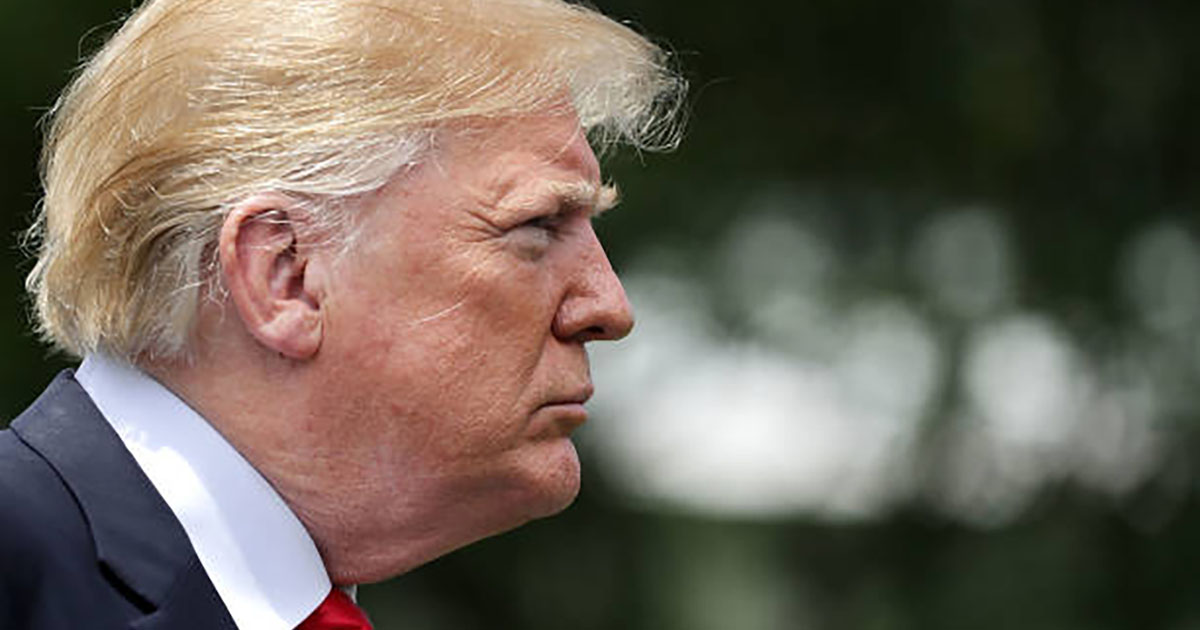
In a surprising twist to the ongoing international diplomacy, President Donald Trump announced that a second round of direct peace talks between the United States and Iran could commence in Pakistan as soon as within the next two days. This unexpected development comes amidst heightened tensions following the administration's newly instituted naval blockade of Iranian ports. The proposed talks, if they proceed, would mark a significant moment in U.S.-Iran relations, potentially paving the way for de-escalation in a region fraught with conflict.
Despite the potential diplomatic breakthrough, the institution of a naval blockade reflects ongoing U.S. skepticism about Iran's intentions and actions in the region. The blockade aims to cut off Iranian ports, a move that analysts suggest is intended to intensify economic pressures on Tehran. Critics argue that such measures could exacerbate tensions and complicate the diplomatic efforts signaled by Trump's announcement of forthcoming peace talks.
Pakistan, hosting the anticipated peace talks, has found itself once more at the heart of international diplomacy in the Middle East. The nation’s strategic location and its historical role as a mediator in regional conflicts highlight its growing importance in facilitating dialogue between long-standing adversaries. While the exact details and participants of the discussions remain under wraps, the stakes are undeniably high, with potential implications for regional stability and global security.
As both domestic and global observers keenly await how these dynamics unfold, the interplay of aggressive posturing and diplomatic outreach reflects the complex and often unpredictable nature of international relations under the Trump administration. The juxtaposition of a naval blockade with a call for peace talks is emblematic of the administration’s broader strategy of leveraging pressure while keeping the doors open for negotiation. Whether this will lead to tangible progress or further entrenchment of existing hostilities remains a focal point of international scrutiny.