
Trump's Cuba Engagement: A Blend of Political Strategy and Personal Stakes
May 22, 2026 | Lena Dorsey

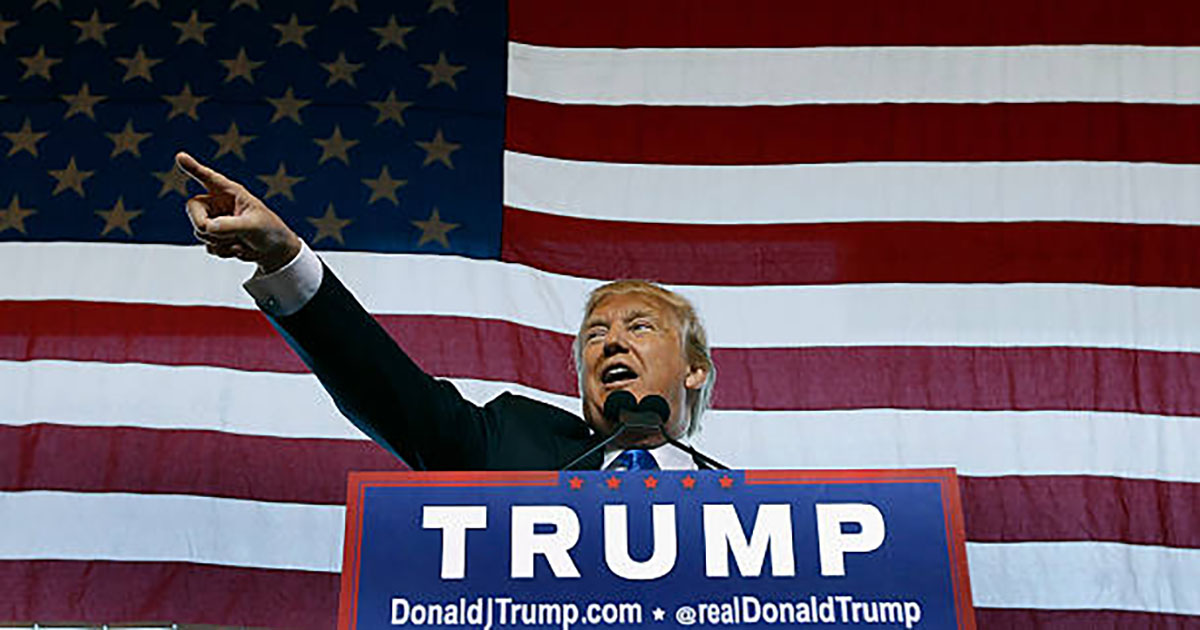
In an unprecedented move, the U.S. government has issued an indictment against former Cuban President Raúl Castro, marking a significant escalation in U.S.-Cuba relations under President Donald Trump's administration. Legal analysts describe the indictment as a rare move, considering the diplomatic complexities involved. President Trump, never one to shy away from bold actions, has taken yet another step to dismantle what remains of the Obama-era diplomatic thaw between the two nations.

The indictment coincides with President Trump's provocative remarks hinting at potential military action against Cuba. "All options are on the table," Trump declared at a recent press briefing, echoing a familiar refrain from tensions with other nations. The President's comments have fueled speculation about possible military involvement in the region, raising the stakes for both international diplomacy and defense strategy.

While the geopolitical implications are profound, President Trump's interest in Cuba is not confined to the political arena. Sources close to Trump suggest that his interest is equally personal. The President has long expressed a desire to establish a greater U.S. presence in Cuba's emerging market, particularly in the hospitality and tourism sectors. Trump's real estate brand has eyed opportunities in Cuba since relations began to thaw, viewing the island as a lucrative frontier.

As the Trump administration continues to forge its path in international relations, this dual motivation – blending the political with the personal – adds layers of complexity to an already fraught situation. The indictment against Castro, coupled with veiled military threats, underscores the administration's aggressive stance, while the President's personal business interests in the island nation continue to intrigue observers and stakeholders alike.

| Theo Ramirez

As Capitol Hill reaches a boiling point over immigration policy, Congressional Republicans have departed for their scheduled recess, leaving President Trump’s signature immigration enforcement package in legislative limbo.

| Julian Park

The U.S. government's recent indictment of former Cuban President Raúl Castro marks a significant escalation in the decades-long tension between Washington and Havana.

| Theo Ramirez

In an unexpected shift on Capitol Hill, Republican legislators stalled efforts to advance a partisan bill aimed at directing funds to the Immigration and Customs Enforcement (ICE) agency.

| Ruthie Klein

As the midterm elections loom on the horizon, a discernible shift is taking place within party circles: a pivot towards economic concerns, most notably affordability, which now ranks as the paramount issue for voters.

| Theo Ramirez

In an unexpected move stirring the pot of international diplomacy, President Donald Trump and Secretary of State Mike Pompeo signaled potential U.S. military intervention in Cuba on Thursday.

| Daniel Cho

The United Nations voiced "grave concern" on Thursday regarding a newly enacted law on marital separation issued by Afghanistan's Taliban authorities, casting a spotlight on contentious provisions that many fear could undermine human rights.

| Theo Ramirez

In an unexpected turn of events, Senate Republicans opted to delay a crucial vote on the funding of immigration enforcement, citing escalating concerns over the proposed novel fund.

| Soraya Amin

In a significant legislative setback for Congressional Republicans, efforts to pass a bill aimed at securing three years of funding for the Immigration and Customs Enforcement (ICE) agency have stalled.

| Theo Ramirez

In a move that underscores the ever-evolving intersection of government oversight and artistic expression, the Commission of Fine Arts has given its final nod of approval to the contentious arch design.