
GOP Senators Stall Immigration Funding; Brace for a Turbulent Hurricane Season Ahead
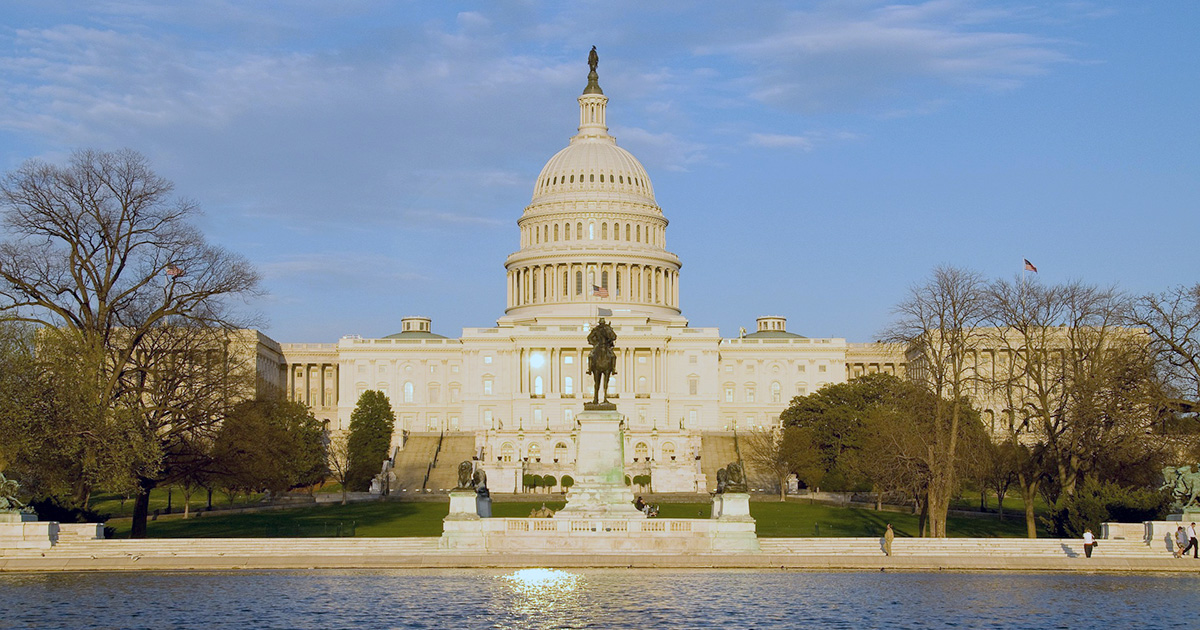
As Capitol Hill reaches a boiling point over immigration policy, Congressional Republicans have departed for their scheduled recess, leaving President Trump’s signature immigration enforcement package in legislative limbo. Despite weeks of intensive negotiations, differences within the party’s ranks and opposition across the aisle have stymied efforts to advance the comprehensive measures. The package, which the President has touted as essential to border security, remains a touchstone of his broader immigration strategy but faces hurdles as lawmakers grapple with competing priorities and a tight legislative calendar.
Inside the halls of Congress, the immigration enforcement package aimed to amplify border patrol capabilities, enhance surveillance infrastructure, and streamline deportation processes. Yet, internal divisions over the scope and cost, coupled with concerns about humanitarian implications, have underscored the complex political landscape that lawmakers must navigate. With critical votes now deferred, Republican leaders are tasked with revisiting the proposal post-recess, even as campaign season looms large and intensifies partisan stakes.
Meanwhile, as legislative discussions stall, meteorologists have issued an optimistic outlook for the 2026 hurricane season. Forecast models project a lull in storm activity, predicting an overall quieter season with fewer storms than average. These predictions offer a temporary reprieve to coastal regions still recovering from prior years of devastating landfalls. While officials urge continued preparedness amidst the unpredictability of climate phenomena, the forecast delivers a cautiously welcome breath of relief.
Nevertheless, state and local authorities maintain a vigilant stance, advocating for resilient infrastructure and refined emergency protocols to fortify against potential threats. Historical weather patterns remind policymakers and residents alike of the cyclical nature of climate impacts, underscoring the necessity for adaptive strategies irrespective of annual forecasts. As the nation navigates policy turbulence in the halls of power and anticipated tranquility within meteorological cycles, the balance of crisis readiness and political strategy takes center stage.