
Capitol Hill Grills Secretary of State Rubio Over Iran Conflict
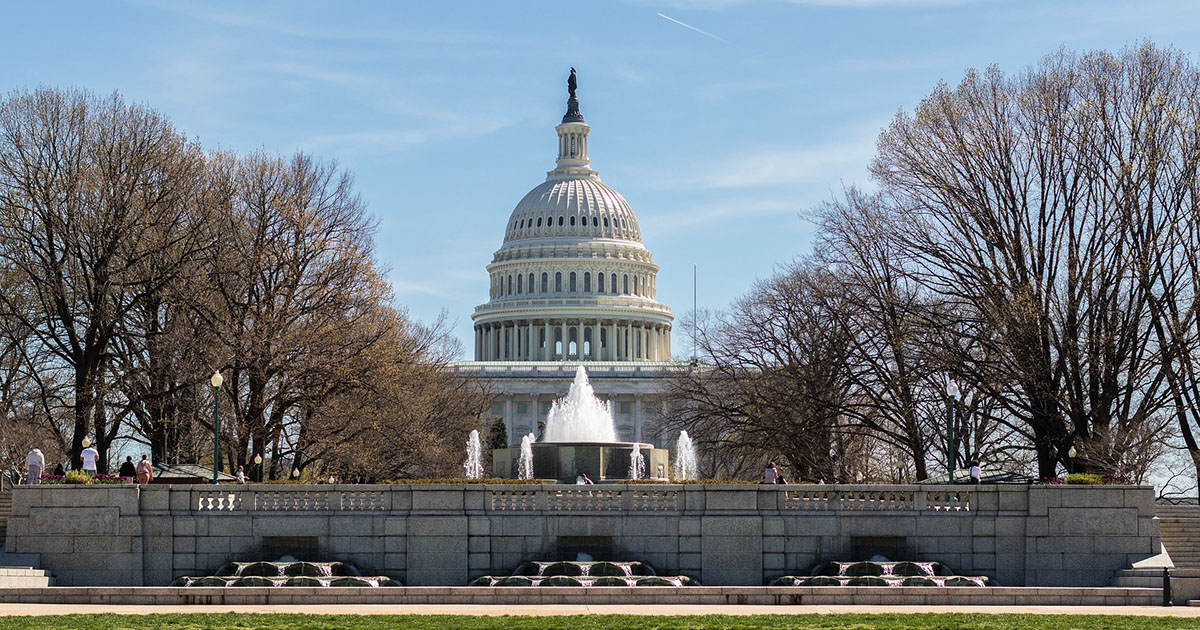
Secretary of State Marco Rubio found himself in the political spotlight as he navigated the intricate budget hearings on Capitol Hill. Lawmakers from both sides of the aisle were keen to unravel the complexities tied to his handling of the ongoing war in Iran and its reverberations across the American economy. Rubio, skillful in his political maneuvering, faced inquiries that sought to understand the administration’s roadmap to peace and its plans to stabilize a volatile energy market that has left consumers feeling the pinch at the pump.
The recent conflict in Iran, a powder keg of geopolitical tension, has sent shockwaves through global oil markets, causing unprecedented highs in gas prices back home. Legislators pressed Rubio for clarity about potential resolutions in the Middle East, and more importantly, when Americans can expect relief from the rising costs associated with fuel. Rubio acknowledged the complexities, reiterating an optimistic outcome while stressing the nuanced diplomacy required to usher in both stability abroad and economic relief domestically.
Rubio’s appearance comes at a pivotal moment, as the Senate Appropriations Committee scrutinizes the administration's financial schemes amid national security concerns. His testimony underscored the administration’s strategic objectives to both deter aggression and engage in negotiations that could potentially dampen hostilities. However, the soaring prices at the gas pumps remain a tangible strain on everyday life, a burden that legislators fear might erode political capital if left unchecked.
As Rubio exits the chambers of Capitol Hill, the nation watches intently, eager for both concrete assurances and a visible plan of action. The path forward is fraught with diplomatic challenges and domestic pressures, made more acute by the economic toll on American households. Navigating this geopolitical conundrum will not only test the mettle of his foreign policy acumen but will also shape the political landscape heading into future election cycles.