
GOP Squabbles with Trump Emerge Over 'Anti-Weaponization Fund' and Potential Iran Conflict
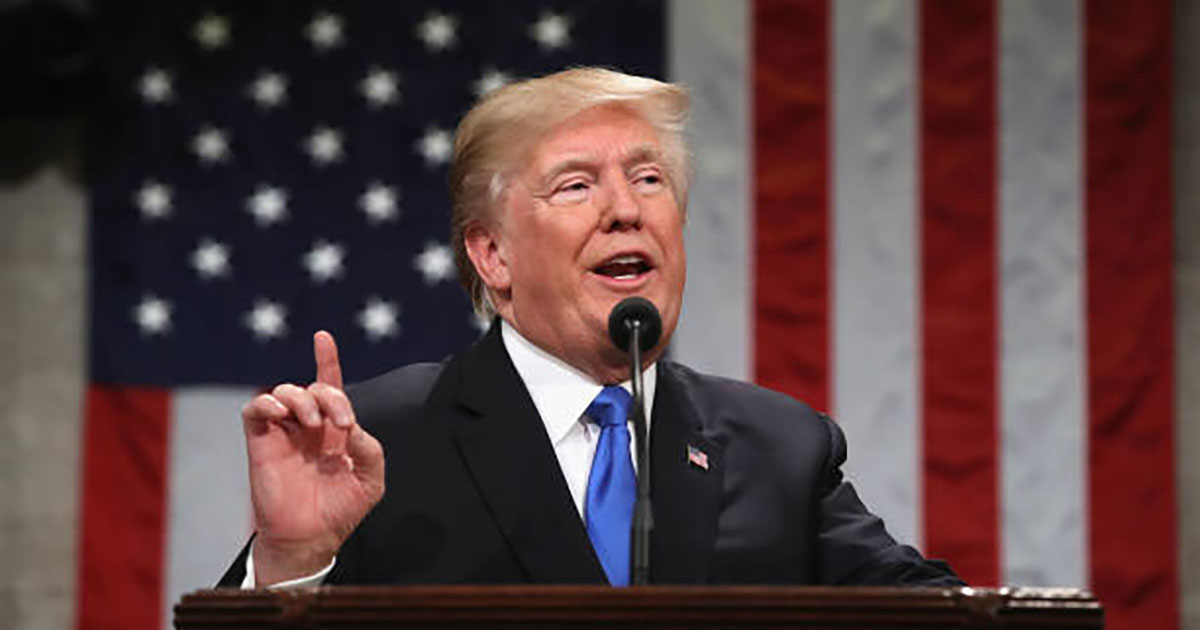
WASHINGTON—The corridors of Congress have echoed with Republican discontent this week, showcasing a widening rift over key national security issues. President Trump's recently proposed 'anti-weaponization fund' drew mixed reactions from the GOP lawmakers, some of whom see it as an extension of executive overreach. The fund, aimed at curbing the politicization of investigatory processes, has been criticized for its expansive powers that some Republicans argue could potentially infringe on legislative authority.
The tension escalated following President Trump's firm stance on the escalating conflict with Iran. His call for decisive action against Iranian provocations has not sat well with all members of his party, particularly those wary of engaging in another protracted Middle Eastern conflict. Dissenting voices have emerged, advocating for more diplomatic avenues and expressing concerns over the strategic and economic implications of expanded military involvement.
These developments come at a critical juncture, with President Trump facing mounting challenges both domestically and internationally. The combination of his expansive security measures and aggressive foreign policy has left a faction of Republicans questioning the direction of leadership under his administration. Observers note that this internal discord could potentially shape the party's strategy leading into the upcoming election cycle.
Despite the growing unease, party loyalists continue to rally behind the President, emphasizing the need for unity in the face of international threats. They argue that Trump's hardline tactics are necessary steps in reinstating America's unwavering stance on global security. However, the underlying friction suggests that Republicans may be grappling with defining their identity in an era characterized by unorthodox leadership and unpredictable decision-making on the world stage.