
Supreme Court Case Threatens Freedom of Bus Driver and Grandfather
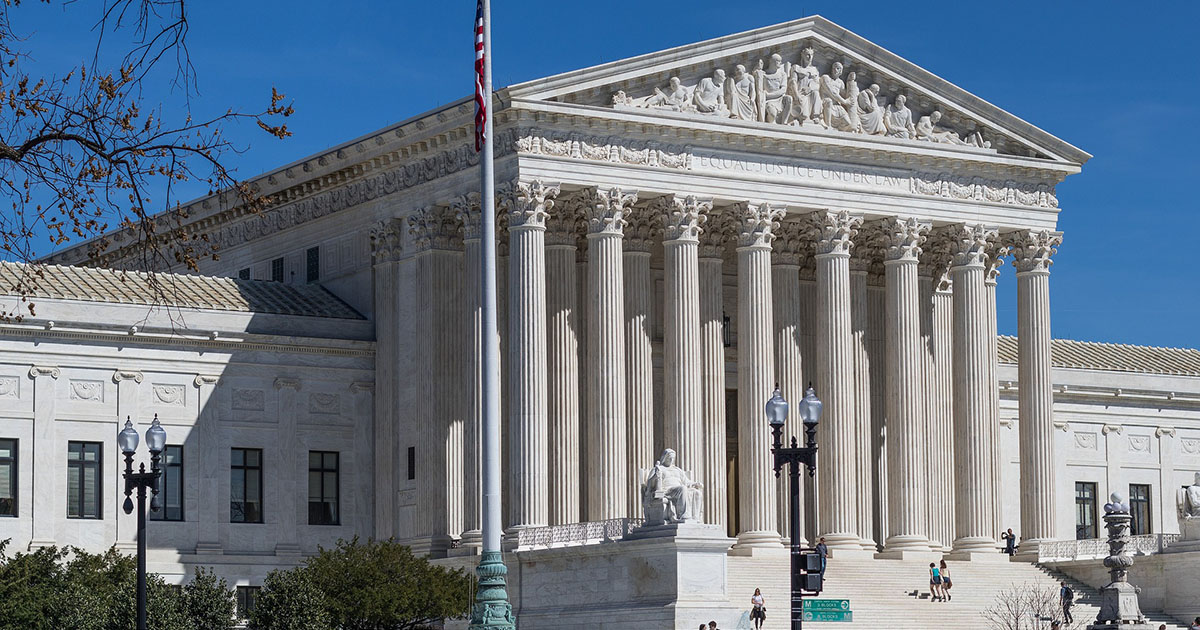
The fate of Anthony Bailey, a name not unfamiliar in legal circles, hangs in the balance as the Supreme Court deliberates on a ruling poised to redefine the contours of the compassionate release program. Bailey's case, one among a dozen queued at the edge of this impending judicial pronouncement, exemplifies the human element in the broader discussion over legal reform and the wielding of mercy. As the clock ticks on his incarceration, the nuances of this case echo through the halls of justice, highlighting both systemic disparities and personal narratives intertwined with legislative constructs.
For Bailey and others navigating the labyrinthine corridors of the penal system, the compassionate release program has been a sliver of hope, a potential avenue toward reduced sentences amid prevailing circumstances. Historically, this program has served as a legal lifeline for those grappling with dire health issues or circumstances deemed extraordinary. However, the pending decision by the Supreme Court could recalibrate these lifelines, offering a stricter interpretation that some fear might limit access to this form of clemency.
Currently, as legal advocates and stakeholders await a resolution, discussions abound concerning the implications such a ruling could cast on public safety and judicial flexibility. Proponents argue for the necessity of maintaining robust safeguards against premature releases that could challenge community peace. In contrast, reformists point to compassionate release as a critical tool in the quest for humane treatment within the penal environment.
For Bailey, the question isn’t merely a legal one; it’s deeply personal. His plight underscores the intersection between law and individual destinies, a common thread in an uncommon case poised to leave its mark on legislative history. As he, alongside others, await the forthcoming verdict, the broader legal community watches, aware that the Supreme Court's decision may set a pivotal precedent.