
Former Employees Who Lost Jobs Over Charlie Kirk Posts Now Reap Six-Figure Settlements
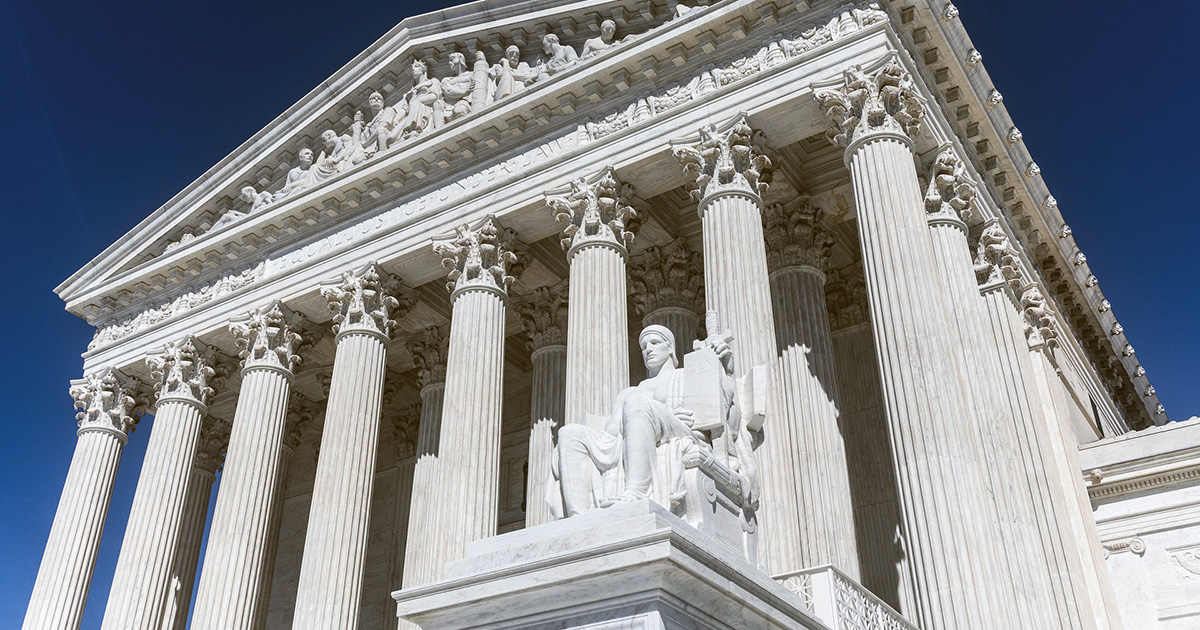
In recent months, a series of legal battles have unfolded within the hallowed halls of public institutions, culminating in decisions that have left government employees with a sense of vindication. As verdicts rolled in favoring the plaintiffs, many among their ranks celebrated what seemed like a much-needed acknowledgment of grievances left unresolved by bureaucracies. Yet, despite their courtroom victories, these workers are finding that the path to restoring normalcy remains strewn with challenges.
For these public servants, the lawsuits represented more than just legal confrontations; they were battlegrounds for asserting rights and challenging long-standing institutional practices. The conclusions, favorable as they were, only tell part of the story. In the wake of the gavel’s final rap, these employees are now tasked with navigating the intricate process of moving forward. Grappling with the emotional and professional aftermath of prolonged legal disputes, they face the reality that financial settlements or policy changes do not immediately erase the frictions and tensions accumulated over years.
As these government workers transition from courtrooms to their everyday roles, questions of reintegration and workplace dynamics loom large. Many return to jobs within the very systems they challenged, stepping into environments that are debatably changed. While some report an improved climate, where managerial decisions reflect lessons learned from the lawsuits, others feel the specter of past conflicts still haunting their professional interactions.
The broader implications of these lawsuits within the public sector also stir concern. Legal precedents set by these cases have the potential to reshape institutional landscapes, influencing policy reforms and managerial practices. Public institutions now find themselves at a crossroads, balancing the need to uphold organizational integrity while fostering an atmosphere of fairness and inclusion in the workplace.