
Amid Iran Conflict Aftermath, Trump Courts Farmers for Support
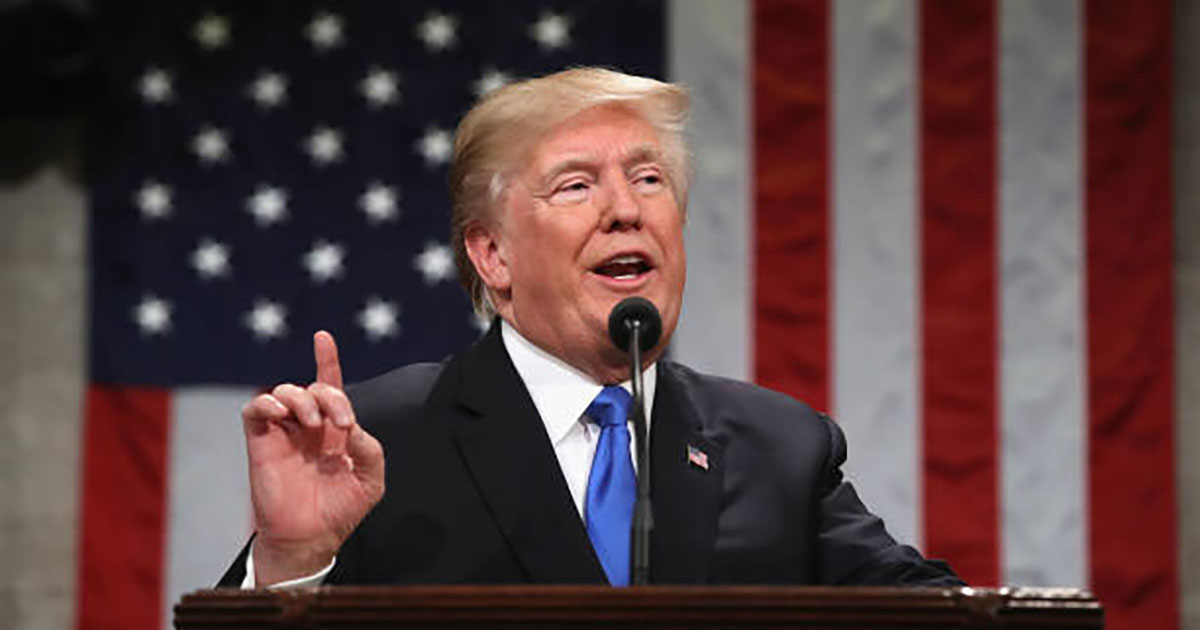
President Trump’s proposal for Iran to use their unfrozen funds to purchase American agriculture products reveals his underlying apprehensions about waning political support, particularly within the farming community. As U.S. farmers grapple with the ramifications of trade disputes and changing global markets, this unexpected diplomatic maneuver signifies an intent to re-energize a key domestic constituency pivotal to Trump’s political base.
In agricultural heartlands across America, anxiety has been mounting over export declines, exacerbated by geopolitical tensions and rivals’ rising market shares. The administration’s consideration to channel Iranian funds toward U.S. agricultural purchases serves a dual purpose: addressing Iran’s economic isolation while simultaneously providing relief to American farmers eager to expand their customer base beyond borders. However, the proposition comes with geopolitical complexities, testing the balance between economic interests and international sanctions.
Trump's focus on agricultural exports reflects a strategic prioritization; it’s an acknowledgment of agriculture’s unique vulnerability in global trade. By positioning U.S. farmers as indirect beneficiaries of improved U.S.-Iran economic engagements, the White House aims to insulate this sector from the broader impacts of international policies that have often left them at a disadvantage. Such a move could inject optimism, translating into potential voter gains as the electoral calendar looms.
Political observers note that while the economics of the proposal remain uncertain, the symbolism is potent. It underscores President Trump’s acute attention to rural America as a vital voting bloc, one whose support could be decisive in forthcoming elections. The reception of this proposal within domestic arenas, accompanied by potential shifts in agricultural exports, will be critical in assessing its viability as a lever of political goodwill and economic strategy.