
Supreme Court Sides with Monsanto in High-Stakes Weed Killer Liability Case
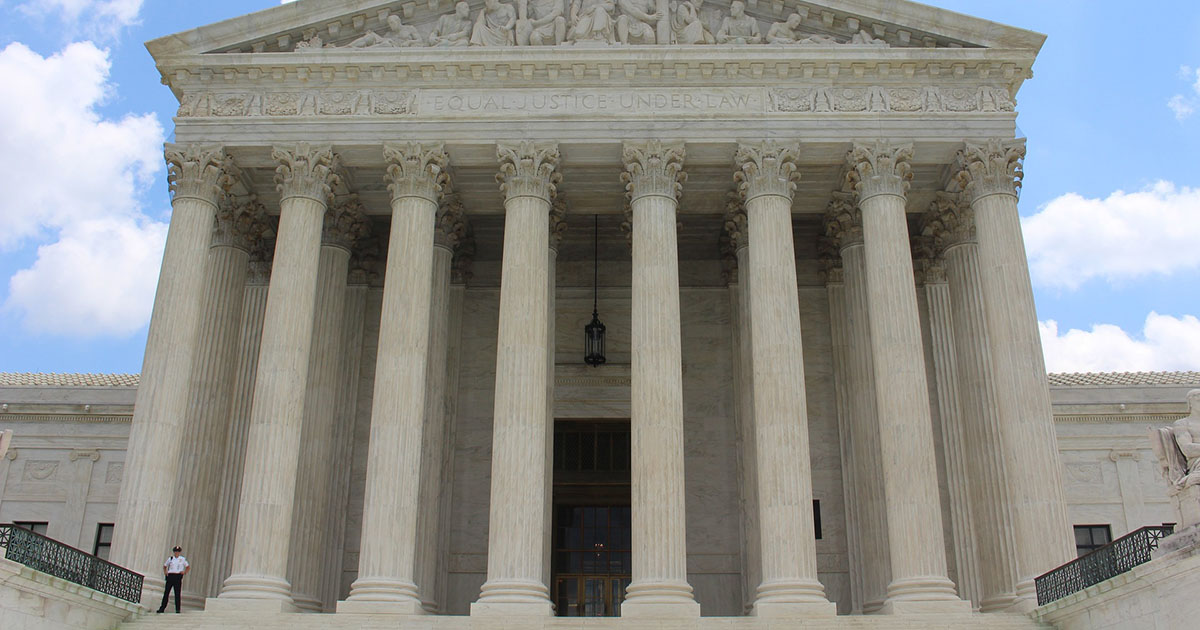
In a trial that has reignited longstanding debates over regulatory authority, Missouri resident John Durnell's case against Roundup has centered on a pivotal legal question: Who has the ultimate authority to determine the content of pesticide and insecticide labels? This conflict pits federal oversight against state-level claims, reflecting a broader national discourse on the boundaries of governmental power in consumer safety.
At the heart of this legal dispute is whether federal laws, specifically those enforced by the Environmental Protection Agency (EPA), preempt state claims concerning product labeling. The argument brought forth by Durnell echoes the voices of many state residents who argue that local laws should play a significant role in dictating what information a consumer receives. Proponents of state-level intervention contend that federal laws are sometimes too slow to adapt to emerging scientific insights and consumer needs.
On the other side of the argument, supporters of federal primacy claim that a single, cohesive regulatory standard as provided by the EPA ensures consistency and prevents the chaos that could arise from a patchwork of state regulations. They argue that variations across state laws could create confusion, potentially hampering interstate commerce and burdening manufacturers with inconsistent labeling requirements. This perspective underscores a belief in the efficiency and reliability of centralized authority in managing nationwide issues.
As the court deliberates on Durnell's case, stakeholders from both sides of the argument keenly await a decision that could realign the balance of power between state and federal regulatory bodies. The outcome could have sweeping implications not just for Roundup but for the wider regulatory landscape in the United States, especially concerning consumer safety and corporate accountability.