
Descendants of Controversial Old Supreme Court Ruling Find Echoes Today
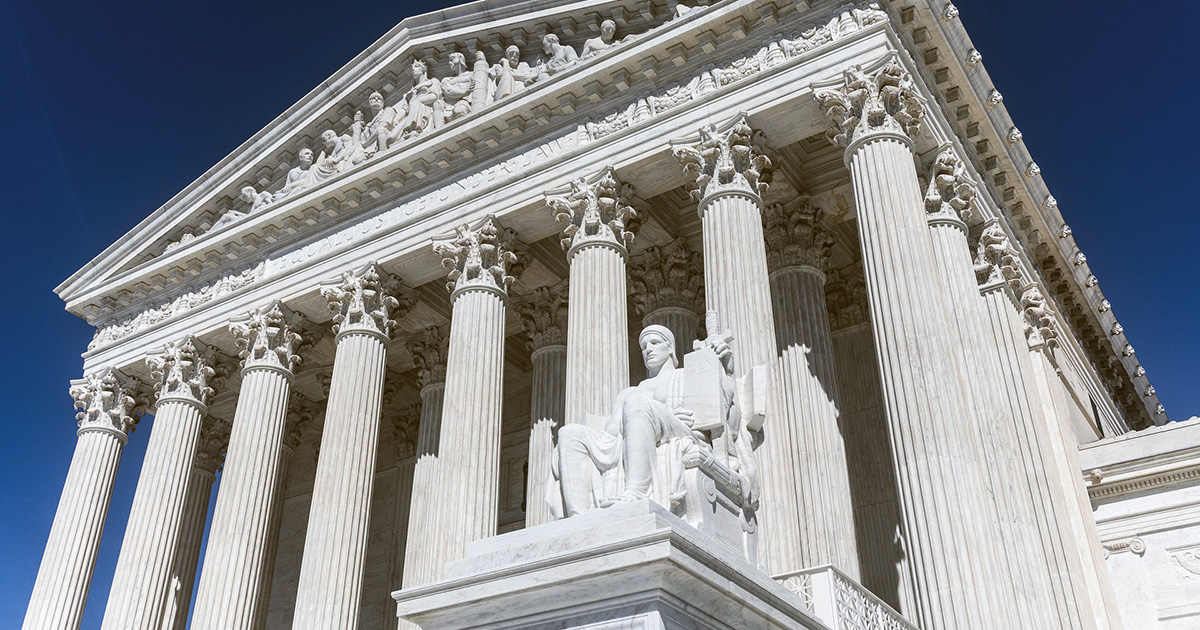
In an unprecedented gathering that resonated with an air of solemnity and introspection, descendants of two historic adversaries convened at a modest church near the Supreme Court. The meeting, set against the backdrop of the court's deliberations on complex issues of race and national identity, was marked by a poignant dialogue on reconciliation. Lynne M. Jackson, a great-great-granddaughter of Dred Scott, and Charles Taney IV, a descendant of Chief Justice Roger B. Taney, shared a platform to address the lingering shadows of a past enshrined in one of the most infamous rulings in American legal history.
The Dred Scott v. Sandford decision of 1857, presided over by Chief Justice Taney, infamously declared that African Americans could not be American citizens, a pronouncement that propelled the nation closer to civil war. Over 160 years later, the dialogue between the descendants sought to transcend their ancestors' antagonistic legacy. This historic gesture of reconciliation echoes within the hallowed walls of the city where history and the law so often converge.
As the Supreme Court once again examines its role in shaping the landscape of race and identity in America, the symbolism of this meeting is hard to overlook. The timing invites compelling reflection as contemporary society wrestles with abiding questions of inclusivity, equality, and belonging. The descendants' exchange is not merely a reconciliation of familial legacies but a broader call for unity in a nation still navigating racial divides.
Against the backdrop of national headlines fraught with racial tension, this reconciliation could be seen as a beacon of hope. While the high court debates who can claim the rights of citizenship and belonging, in the shadows of its imposing edifice, a small group of individuals demonstrated that the past need not irrevocably shape the future. In their shared declaration, "We are not our ancestors," lies a profound assertion of agency and the promise of transformation.
The discussion at the church, with the Supreme Court looming large in its vicinity, was a reminder of the enduring impact of historical decisions and the ongoing journey toward justice. In facing the unfinished business of the past, the descendants of Scott and Taney offer a powerful testament to the potential for reconciliation and the commitment to a more inclusive narrative of who can be an American.