
Descendants of Controversial Supreme Court Decision Discern Modern Echoes
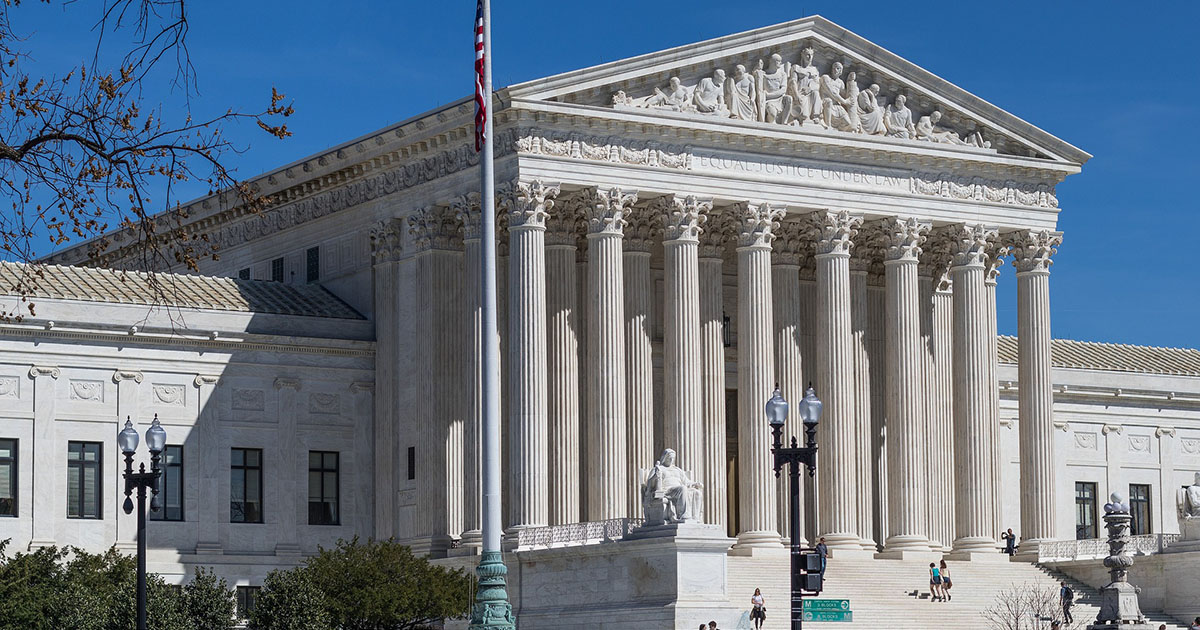
In a poignant gathering last week, descendants of Dred Scott and Chief Justice Roger Taney convened at a church merely a stone's throw from the Supreme Court. Addressing a packed audience, they sought to bridge the historical chasms wrought by the 1857 Supreme Court decision that denied Scott, a Black man, his freedom and underscored the fraught dynamics of race and citizenship in America. This landmark meeting unfolded as the Supreme Court once again grapples with these same enduring issues, reflecting an evolving dialogue centering on inclusivity and human dignity.
Scott's descendants, in a spirit of reconciliation, passionately called for understanding and the embracing of a shared narrative that acknowledges the past while fostering a unified future. Meanwhile, descendants of Taney, the Chief Justice who penned the infamous decision, openly recognized the role of their ancestor in shaping a legacy of division, and emphasized their commitment to healing and restorative justice. This meeting of the families underscores a broader reckoning with America's complex racial history, reminding the nation that the scars of past rulings still echo in contemporary legal debates.
Both families shared personal anecdotes, reflecting on how their intertwined histories have impacted their lives and perspectives. Audience members, including historians and activists, noted the significance of the event occurring as the Supreme Court contemplates cases that could redefine racial equity and immigration policy in the nation. The narratives exchanged were not just personal reconciliations but rather a microcosm of a national dialogue as the country grapples with its foundational ideals of who can truly be considered an American.
As the descendants parted ways, having pledged to continue their dialogue, observers pondered the role of such personal stories in shaping public discourse. In the hallowed halls of the Supreme Court, justices, perhaps unwittingly influenced by these powerful familial reconciliations, are tasked with mapping the trajectory of American identity and citizenship. As the gavel once again trembles on the precipice of history, the question remains whether the court's forthcoming decisions will reflect a new chapter of reconciliation and inclusivity iconic of the Scotts and Taneys' dialogues, marking a pivotal moment in the nation’s ongoing quest to define itself.