
Economists Sound Alarm on Trump’s Research Cuts Threatening GDP Growth
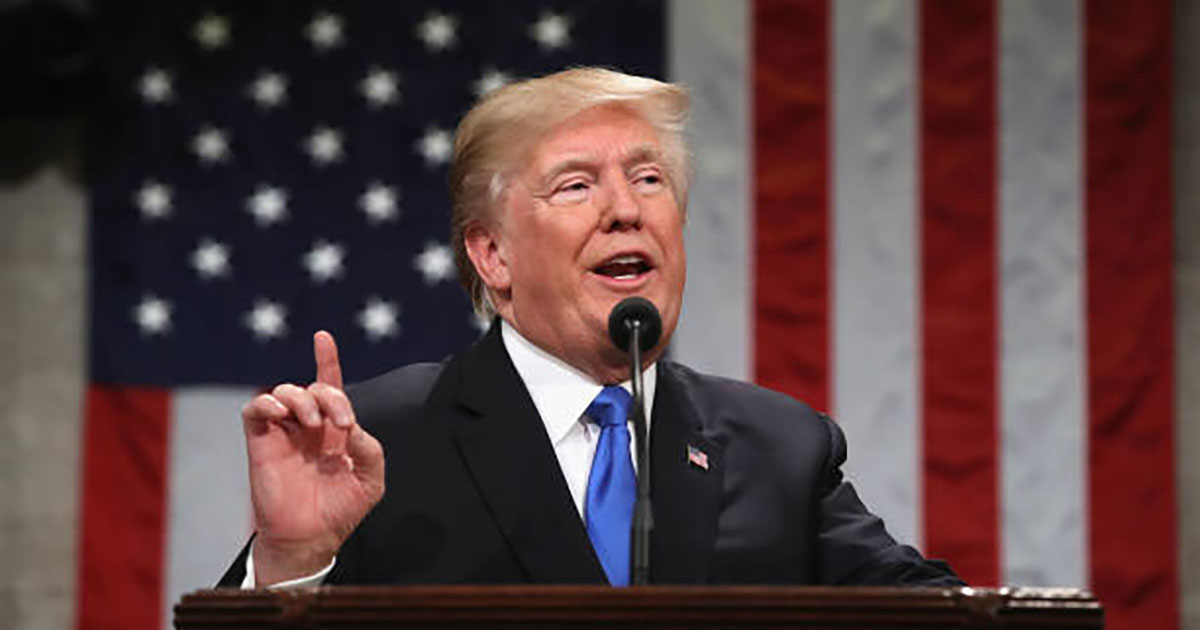
In a move drawing sharp criticism from the scientific community and economists alike, President Trump has proposed a significant reduction in federal scientific funding. The proposal, detailed in the administration's latest budget blueprint, aims to curb spending by trimming billions from agencies such as the National Institutes of Health and the National Science Foundation. Proponents argue the cuts are necessary for fiscal responsibility and to reallocate resources toward immediate national priorities.
Economists, however, caution that the long-term economic consequences could be severe. Federal investment in scientific research has historically spurred innovation, leading to technological advancements that drive economic growth. The reduction in funding could stifle future innovations, leaving the U.S. at a competitive disadvantage globally. "When you undermine the foundations of scientific research, it's like cutting off your nose to spite your face," said Adrian Lee, an economist at the University of Westfield.
The potential impact of the cuts extends beyond economics, touching upon public health, environmental policy, and national security. Critics argue that in a rapidly advancing world, reduced funding could impede progress in critical areas like climate change, bioengineering, and cybersecurity. This may lead to increased dependence on foreign innovation and technology, altering the landscape of global leadership.
Lawmakers from both sides of the aisle have voiced concern over the sweeping nature of these proposed cuts. Several bipartisan groups are calling for a reevaluation of priorities, underscoring the importance of maintaining America's role as a leader in scientific discovery. Whether this appeals to enough members of Congress to alter the current budget proposal remains to be seen. The coming weeks will be pivotal in determining whether the administration's plans will be realized or reshaped in the face of mounting opposition.