
Venezuela Decries Trump's Proposal to Close Airspace as a 'Colonialist Threat'
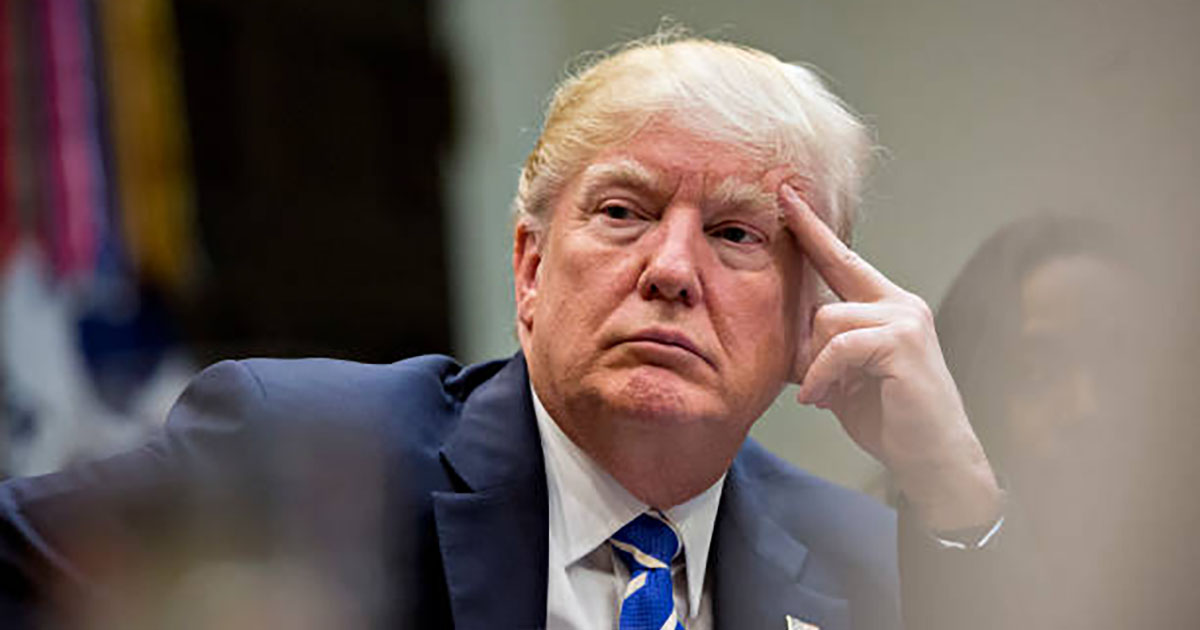
In a move resonating with echoes of past geopolitical face-offs, President Donald Trump declared a comprehensive closure of the airspace "above and surrounding Venezuela." The announcement, laden with implications for regional stability, caught international observers by surprise. Trump’s pronouncement represents a further escalation of tensions between Washington and Caracas, following a series of diplomatic and economic standoffs over the past few years.
In swift retaliation to President Trump’s announcement, the Venezuelan government denounced the move as a contravention of international law, categorically labeling it a "colonialist threat" to Venezuelan sovereignty. This denunciation underscores the governmental perspective in Caracas, which has repeatedly accused the U.S. of infringing upon its autonomy through similar pronouncements and sanctions. A high-ranking Venezuelan official insisted that such actions are reminiscent of archaic methods of foreign intervention that disregard the principles of modern diplomacy.
Global reactions to this development have been mixed, with allies of the U.S. expressing muted support for what they see as a necessary measure in response to perceived transgressions by the Venezuelan regime. Conversely, several Latin American nations, wary of the re-emergence of patterns that could destabilize the region, have called for dialogue and restraint. This situation has once again placed Venezuela at the forefront of international discourse, as nations debate the ethics and legality of airspace restrictions in sovereign territories.
This action by the Trump administration raises questions about the broader implications for international aviation and commerce. Industry experts are closely monitoring the potential ripple effects on air travel routes and the logistical challenges posed to airlines, particularly those operating within or near Latin American corridors. As the international community looks on, the outcome of this confrontation remains uncertain, but its significance in shaping the narrative around sovereignty and international law in the 21st century is undeniable.