
Trump Grants Clemency to Former Honduran Leader Convicted of Drug Trafficking
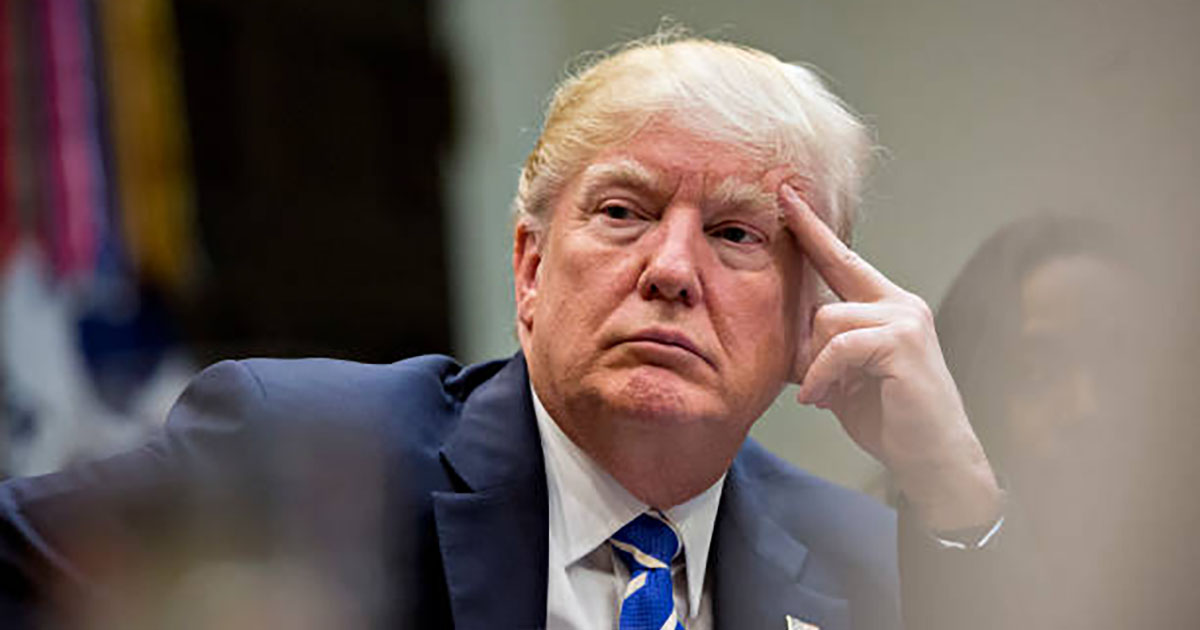
In a stunning move, President Trump has granted a full pardon to the former Honduran President, headquartered at the epicenter of a sprawling international narcotics network. This decision marks a significant pivot in U.S. foreign policy, raising eyebrows across diplomatic circles and igniting a firestorm of controversy over its implications for the global war on drugs. U.S. officials have previously accused the pardoned leader of orchestrating one of the largest and most violent drug-trafficking conspiracies known to date.
The former leader's ties to the corridors of power in Central America have been scrutinized under a magnifying glass for years, making the pardon a flashpoint in discussions on the balance between diplomacy and strict enforcement. The decision underscores an often-contentious dialogue about the role of such pardons in international relations and counter-narcotics strategy. Reports suggest that strong advocacy and diplomatic engagements preceded this high-profile clemency, setting the stage for potential geopolitical recalibrations in the western hemisphere.
While urged by proponents framing the pardon as an opportunity for renewed cooperation and dialogue, critics are quick to point out the dangers posed by such a significant gesture. They argue it could undermine ongoing efforts by enforcement agencies to combat organized crime, potentially setting a precedent that tarnishes the integrity of international efforts against drug trafficking. Allied nations, especially those in the affected region, are left grappling with the potential fallout of this unexpected presidential intervention.
Stock markets watched closely as this diplomatic move unfolded, with analysts assessing potential impacts on trade relations in Central America. This dramatic development comes at a time when the U.S. is seeking broader economic partnerships in the region. The markets hold their breath, eyeing for any cues on how this geopolitical maneuver might play out in the corridors of global diplomacy and commerce.