
In Trump Stronghold, Focus Shifts to Heated Special Election Contest
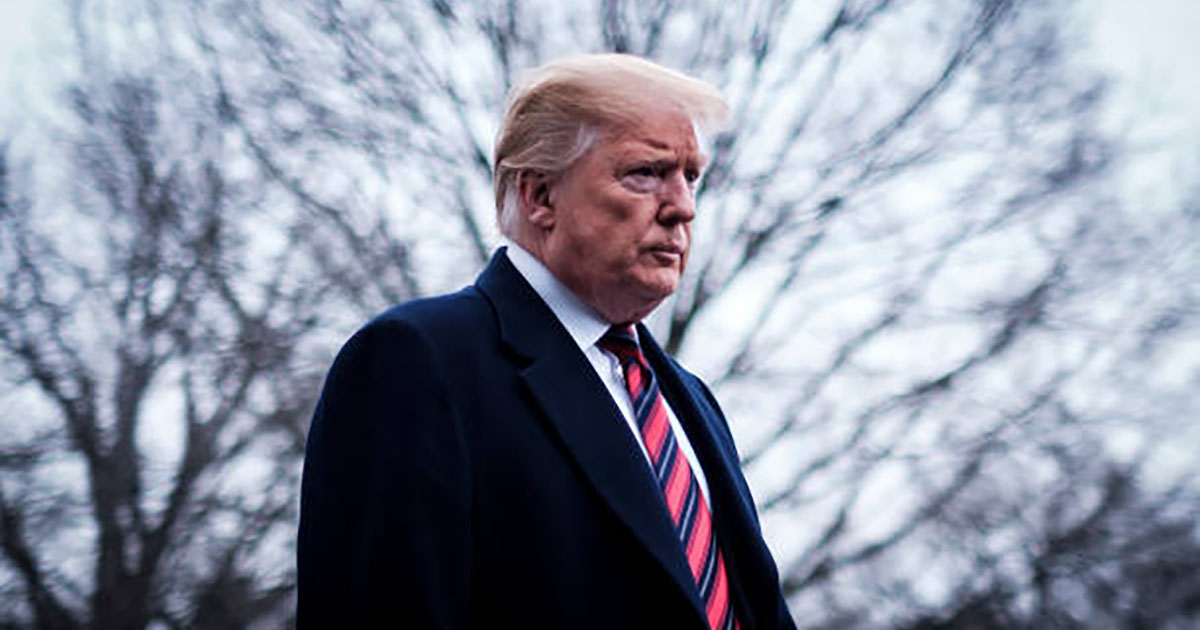
As polls close on a brisk Tuesday evening, the political landscape in what is traditionally a steadfast Republican district is being tested by an unexpectedly competitive special election. Voters, pundits, and politicos alike await the outcome with bated breath, as the results could potentially signal broader shifts in the party's stronghold on similar districts nationwide. Historically a bastion for conservative values, this district's sudden swing raises pressing questions about voter sentiment and party alignment.
The campaign trail leading up to today's vote has been closely watched, with both the Republican and Democratic candidates pulling out all the stops to sway undecided voters. The Republican candidate, whose campaign heavily emphasized traditional party policies, faced unexpected challenges addressing local issues that resonate across party lines. The Democrat, meanwhile, capitalized on this vulnerability by proposing moderate, bipartisan solutions that have appealed to the district's growing population of independent voters.
Despite being a Republican stronghold, recent demographic changes and shifting political priorities among constituents have disrupted the predictability of this electoral outcome. Analysts suggest that the close race reflects a broader trend of suburban districts becoming increasingly competitive, as voter priorities evolve amidst changing national and local landscapes. This election result could serve as a bellwether for upcoming midterms, providing insights into the strategies that may be necessary for Republicans to maintain their edge in traditionally secure areas.
The influence of national politics cannot be overlooked, with both candidates receiving endorsements and funding from their respective national parties. This high-stakes backdrop has only heightened the attention around this local election. As the final votes are tallied, political observers will be keen to dissect the factors that contributed to what has become an unexpectedly tight race, while party leaders brace for its implications on future campaign tactics and policy priorities.