
States Seek to Slash ACA Premiums Amid Ongoing Subsidy Extension Debate
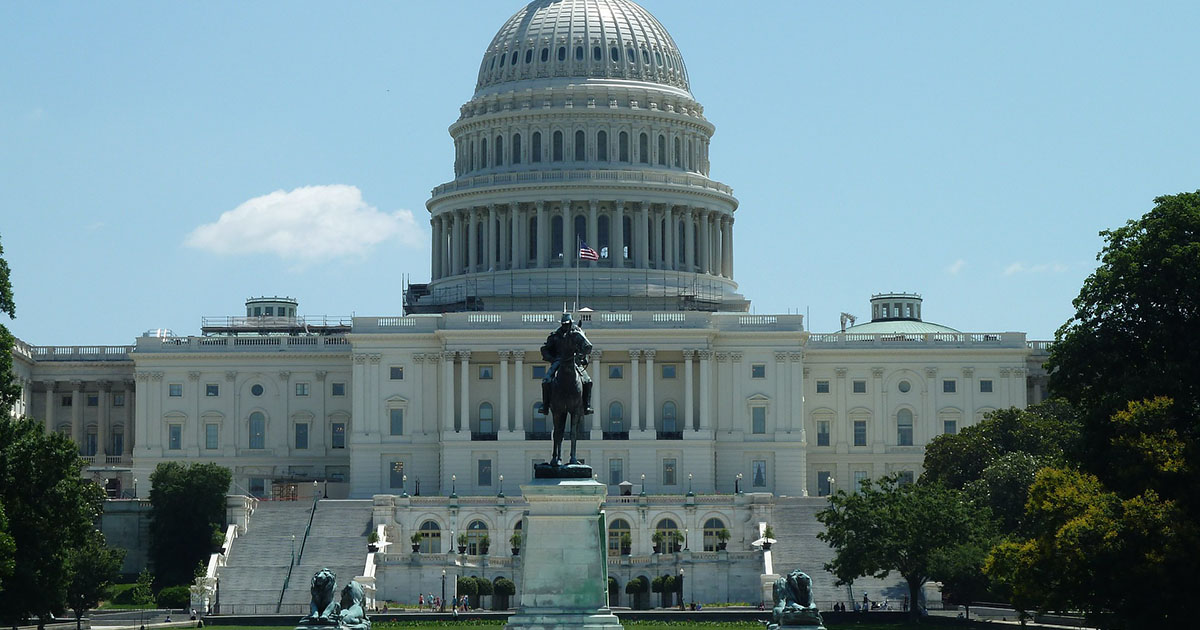
As lawmakers on Capitol Hill engage in intense debates over the extension of federal Affordable Care Act subsidies, some states are taking the initiative to safeguard their residents from potential financial distress. These states are stepping in to mitigate the potential impact on healthcare premiums, which could surge dramatically if the existing tax incentives are allowed to expire. At the heart of the issue is the affordability of health coverage for millions of Americans who rely on the subsidies to keep their insurance premiums manageable.
The current federal subsidies, a cornerstone of the Affordable Care Act, help lower the cost of health insurance for eligible individuals and families by reducing monthly premium contributions. However, they are under threat as Congress wrestles with budgetary pressures and differing opinions on the role of federal assistance in healthcare. In anticipation of a possible expiration, state legislatures are exploring various options to protect consumers. Some are considering state-level subsidies, while others look at regulatory measures to control premium spikes.
This preemptive action by the states underscores the significant stakes involved. Without intervention, the Congressional Budget Office estimates that the lack of subsidies could lead to a steep increase in insurance premiums, pushing many Americans out of affordable healthcare coverage. This could further strain the healthcare system as uninsured individuals may forego necessary care or resort to emergency services as a last resort, potentially driving up costs for everyone.
While the federal debate continues, these state-level initiatives reflect a pragmatic approach to an impending crisis, focusing on maintaining continuity of care and financial stability for residents. As the discussion progresses in Washington, the states' efforts highlight the growing recognition of healthcare as a fundamental concern that transcends political divides, emphasizing the necessity for swift and effective policy solutions to ensure accessible and affordable healthcare for all.