
Senate Faces Crucial Vote on Competing Health Care Plans Amid Looming ACA Premium Increases
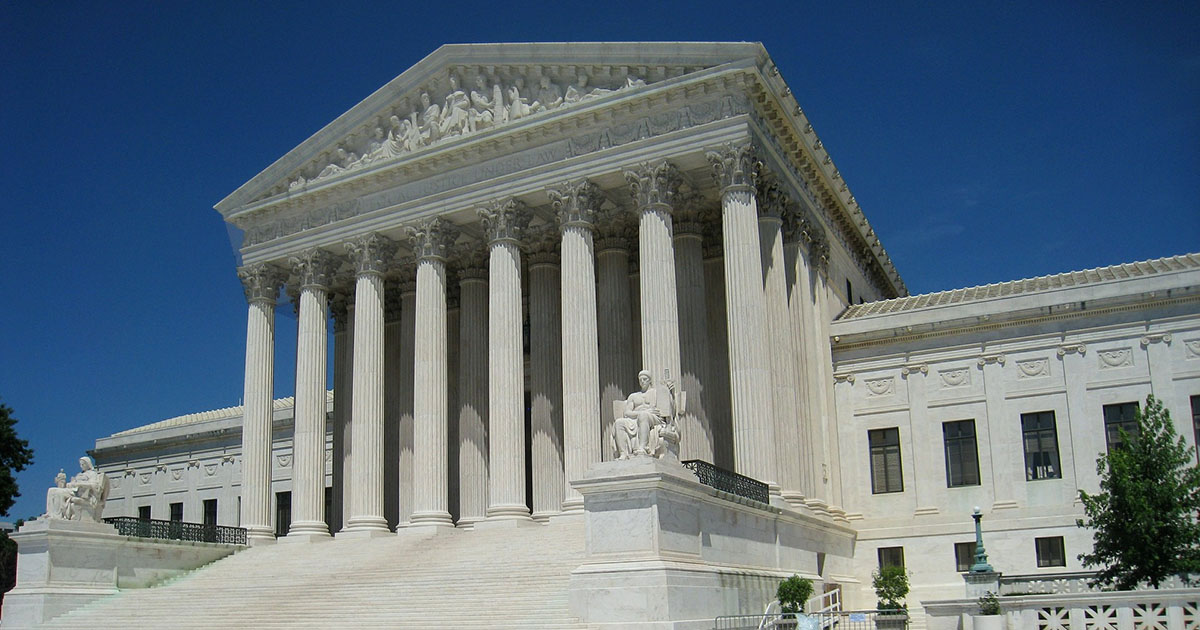
In a dramatic showdown representing the nation's deep divisions on health care, the Senate is poised to vote on competing health care proposals. Both parties have presented starkly contrasting visions for the future of American health care, yet each plan faces formidable opposition and is widely expected not to pass. This latest political maneuvering underscores the legislative paralysis that has gripped Congress in recent years, even as pressing issues such as the surge in Affordable Care Act (ACA) premiums loom large over American families.
The Democratic proposal seeks to bolster the ACA, introducing measures aimed at expanding subsidies and providing more comprehensive coverage options. Advocates argue that this plan could mitigate the impending premium hikes anticipated by year's end, offering needed relief to households struggling to afford increasing costs. However, staunch resistance from Republican lawmakers, who criticize the plan for its expansive government role and associated costs, has dimmed its prospects of passage.
Conversely, Republicans have tabled an alternative plan focused on reducing federal health care spending and granting states more authority to administer their own health solutions. This approach resonates with conservative calls for limited government and increased state autonomy. Yet, Democrats, citing concerns over potential coverage losses and reduced federal protections for pre-existing conditions, have lined up in opposition, effectively dooming the proposal before it even reaches the Senate floor.
As both parties brace for these inevitable defeats, the specter of rising ACA premiums hangs ominously in the background, threatening to affect millions of Americans. With no resolution in sight, lawmakers face mounting pressure from constituents growing increasingly frustrated with partisan gridlock. The failure to reach a consensus on health care reform could have significant political ramifications, setting the stage for the upcoming election cycle where health care is expected to be a pivotal issue.